


Reducing air pollution: Stubble burning needs economic solutions
Fortunately, there is no dearth of potential gainful uses of crop residues
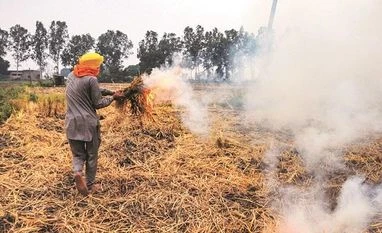 "stubble burning")
premium
With the paddy-harvesting season almost at hand, none of the northern rice-growing states seems to have a workable strategy in place to prevent farmers from burning crop residues, which aggravates air pollution in the National Capital Region in October-November every year. The massive amount of smoke and toxic gases that the crop fires exude causes health problems, ranging from eye and breathing troubles to more serious illnesses. The offer of the Delhi and Punjab governments to spray the microbial stubble decomposer, developed by the Indian Agricultural Research Institute, on the harvested paddy fields has been rejected by the farmers as an impractical proposition. It takes 20-25 days to decompose the leftover biomass, which is too long for them to wait for sowing the next crop. The use of crop residue management machinery, which seems a feasible solution, involves additional expenses, which the farmers find unaffordable without financial assistance. Such assistance does not seem to be forthcoming in most states.