


Turbulence in the skies: Air India diverts two flights due to tech glitches
These two incidents have happened barely four days after its flight AI 171 crashed in Ahmedabad, killing 270 people, including former Chief Minister of Gujarat Vijay Rupani
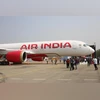 "Air India")
Air India(Photo: Shutterstock)
Listen to This Article
Problems for Air India don't seem to be ending, as India’s oldest airline had to divert two flights on Monday due to technical issues. The incidents occurred just four days after flight AI 171 crashed in Ahmedabad, killing 270 people, including former Chief Minister of Gujarat Vijay Rupani.
Two aircraft diverted on June 16
On June 16, Air India flight AI 315 from Hong Kong to Delhi turned back approximately 90 minutes after takeoff. Pilots detected a fault onboard and chose to return to Hong Kong International Airport. The aircraft was a Boeing 787-8 Dreamliner — the same model that crashed on June 12.
A few hours later, Delhi–Ranchi flight AI 9695 returned to the national capital after experiencing a mid-air technical issue. The aircraft had taken off from Indira Gandhi International Airport at 4:25 pm and was scheduled to land at Birsa Munda Airport at 6:20 pm. According to NDTV, the decision to return was made purely as a safety precaution.
Earlier, on June 13, Air India flight AI 379 from Phuket to Delhi carrying 156 passengers was forced to return during its cruise phase due to a bomb threat. The aircraft landed safely, and security checks were conducted before passengers were cleared.
These incidents are unfolding under increased technical scrutiny mandated by the Directorate General of Civil Aviation (DGCA). The regulator has enforced fleet-wide safety checks, particularly on Dreamliners, as a precautionary measure following the Ahmedabad crash.
Also Read

 "The crash site of Air India Ltd. Flight 171 in Ahmedabad, India, on June 12.")
 "Air India, Indian airlines")
 "Ahmedabad Plane Crash, Plane Crash")
 "Air India plane crash")
 "Natarajan Chandrasekaran")
Geopolitical tensions impacting air routes
In addition to technical setbacks, flight operations across several carriers — including Air India — have been impacted by the temporary closure of Iranian airspace. The move followed Israeli airstrikes on Iran beginning June 13, 2025.
“Due to the emerging situation in Iran and parts of the Middle East, the subsequent closure of airspace, and in view of the safety of our passengers, some of our flights are operating on alternative extended routes,” Air India stated on X.
Long-haul services between India and North America or Europe — such as those bound for New York, London, Toronto, and Frankfurt — were either rerouted via cities like Vienna, Jeddah, Sharjah, or returned mid-air to their origin. Passengers have been advised to regularly monitor flight status amid ongoing disruptions.
DGCA mandates Boeing 787 inspections
Following the AI 171 crash, the DGCA has ordered a fleet-wide inspection of all Boeing 787-8 and 787-9 aircraft operated by Air India. These checks are being conducted proactively to ensure airworthiness and are not linked to confirmed mechanical failures.
On June 15, a Delhi–Zurich flight was delayed to accommodate a mandatory inspection, even though no specific fault was identified. The move reflects heightened regulatory vigilance following the recent tragedy.
Monsoon rains add to delays
Heavy rainfall and waterlogging in Mumbai have caused additional delays in domestic and international flight operations. Several passengers took to X to report postponements and congestion at Chhatrapati Shivaji Maharaj International Airport.
“Heavy rainfall may impact flight operations to and from Mumbai,” Air India posted on X, advising travellers to check their flight status in advance.
More From This Section
 "Meesho")
 "Zee Entertainment Enterprises")
 "Biocon Biologics, Biocon logo")
 "Mphasis")
 "real estate")
Topics : Aviation News Air India Aviation industry
Don't miss the most important news and views of the day. Get them on our Telegram channel
First Published: Jun 16 2025 | 10:36 PM IST