


Over 22 Indian states demand 50% share in central tax revenue allocation
More than 22 states have asked the 16th Finance Commission to raise their share of central tax revenue from 41 per cent to 50 per cent, says chairman Arvind Panagariya
 "Arvind Panagariya, Arvind")
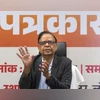
At present, states receive 41 per cent of the total divisible tax revenue, said Chairman of the 16th Finance Commission Arvind Panagariya. (Photo:PTI)


Listen to This Article
More than 22 of India’s 28 states have asked the 16th Finance Commission to raise their share of the divisible tax pool from the current 41 per cent to 50 per cent, Commission chairman Arvind Panagariya said on Wednesday.
The Commission visited Lucknow as part of its ongoing consultations with state governments across the country. Addressing the media, Panagariya noted that states such as Uttar Pradesh have joined the majority in seeking a greater share of central tax revenues.
“At present, states receive 41 per cent of the total divisible tax revenue, while the Centre retains 59 per cent... UP, along with many others, has recommended increasing the state share to 50 per cent,” said Panagariya, according to a report by PTI.
Commission yet to confirm recommendation
Despite the widespread demand, Panagariya did not confirm whether the Commission would include this proposal in its final recommendations. He did, however, note that past Finance Commissions’ recommendations have generally been accepted by the Centre without changes.
The 16th Finance Commission was constituted on 31 December 2023 under Article 280 of the Constitution. It has been tasked with recommending how tax revenues should be distributed between the Centre and the states for the five-year period beginning 1 April 2026. The Commission is expected to submit its report by 31 October 2025, covering fiscal years 2026–27 to 2030–31.
Also Read

 "taxes, tax, taxing, audit")
 "money, cash, currency")
 "Arvind Panagariya, Arvind")
 "As the 16th Finance Commission, headed by Arvind Panagariya, takes feedback from stakeholders, some states have complained to it that the Centre is increasingly taking recourse to cess and surcharge to circumvent its recommendations on tax devolution")
 "Ajay Narayan Jha")
States carry heavier spending responsibilities
State governments account for over 60 per cent of total public expenditure in the country, with a significant focus on social infrastructure such as healthcare, education, and law and order. In contrast, the Union government primarily allocates spending to physical infrastructure.
Since the rollout of the Goods and Services Tax (GST) in July 2017, states have experienced a decline in their autonomy over revenue collection. Their capacity to raise funds independently has been curtailed, increasing their dependence on central transfers.
A related concern is the Union government’s increased use of cesses and surcharges, which are not shared with the states. Since the onset of the Covid-19 pandemic, the share of these levies in the Centre’s gross tax revenue has risen from 9–12 per cent to over 15 per cent. Last year, Tamil Nadu Chief Minister MK Stalin had called for an increase in the state’s share of central taxes to 50 per cent, citing concerns over reduced devolution of funds and mounting financial burdens due to centrally-sponsored schemes. Speaking to Panagariya in Chennai, Stalin maintained the need for a revised fiscal framework that supports states like Tamil Nadu. He argued that allocating additional funds to high-performing states would enhance India’s "overall development and economic strength".
More From This Section
 "RBI, Reserve Bank of India")
 "WTO, World Trade Organisation")
 "PMI")
 "PMI")
 "Piyush Goyal with Israel Economy minister Nir Barkat")
Don't miss the most important news and views of the day. Get them on our Telegram channel
First Published: Jun 04 2025 | 4:51 PM IST