


Chikungunya on the rise: WHO flags growing risk of global epidemic spread
Rising infections and expanding mosquito habitats signal potential global health threat with over 5.6 billion people living in areas at risk
 "chikungunya mosquito")
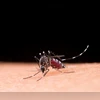
Aedes mosquitoes, the primary carriers of Chikungunya, are expanding their reach due to climate change. (Image: Freepik)
Listen to This Article
The World Health Organization (WHO) on Tuesday issued a warning about the growing risk of a global chikungunya epidemic, urging immediate action to avert a crisis. Officials state that they are detecting the same early warning signs that preceded a major outbreak two decades ago in 2004-05.
An estimated 5.6 billion people across 119 countries are at risk, according to Dr Diana Rojas Alvarez, medical officer at the WHO. Speaking at a press briefing in Geneva, she highlighted that the virus poses a serious threat due to its potential to cause high fever, crippling joint pain, and in many cases, long-term disability.
The current wave began in early 2025, with major outbreaks in Indian Ocean territories such as La Réunion, Mayotte, and Mauritius, with nearly one-third of La Réunion’s population being infected. The virus has since spread to Madagascar, Somalia, Kenya, and parts of Southeast Asia, including India. Signs of local transmission have also emerged in southern France and Italy.
Chikungunya: What you need to know
First identified in Tanzania in 1952, chikungunya virus is spread by the bites of infected Aedes mosquitoes, primarily Aedes aegypti and Aedes albopictus. Aedes albopictus or “tiger mosquito” is also known to transmit dengue and Zika.
Symptoms typically appear four to eight days after infection and include:
Also Read

 "non stick cookware")
 "smartphone use in young adults")
 "anxiety")
 "Mpox, blood")
 "anatomic-heart-mode")
- Sudden high fever
- Intense joint pain (especially in hands and feet)
- Muscle pain
- Headache
- Fatigue
- Skin rash
While rarely fatal, the virus can cause prolonged joint pain lasting months, particularly in older adults and those with pre-existing conditions.
There is currently no specific antiviral treatment for chikungunya. Care is mainly supportive, focusing on hydration, pain relief, and rest.
There are currently two chikungunya vaccines that have been approved or recommended for use in some countries, but they are not yet widely available or in common use. The WHO and expert advisors are reviewing vaccine trial and safety data, along with global outbreak trends, to decide on future recommendations for broader use.
What do the numbers say?
According to the European Centre for Disease Prevention and Control (ECDC), as of June 2025, the countries reporting the highest number of cases are Brazil (141,436), Argentina (2,521), Bolivia (605) and Peru (46).
Over 51,000 cases have been reported from the French outermost region as of end May 2025, while more than 33,000 cases have been reported in Asia from India, Sri Lanka and Pakistan since June.
Regions that were once free from local transmission, such as southern Europe, are now reporting occasional autochthonous cases (locally transmitted infections). This expansion is largely due to climate change, which has enabled mosquito populations to thrive in new areas.
WHO's recommendations
The WHO warns that the virus could pose a greater public health risk if global preparedness does not improve. The organisation has urged governments to:
- Invest in mosquito surveillance and control
- Strengthen health systems to detect and manage outbreaks
- Promote public education on personal protection measures
- Support vaccine development and research
For more health updates, follow #HealthWithBS
More From This Section
 "headache")
 "world liver day, liver health")
 "brisk walking")
 "SRL Diagnostics, Agilus Diagnostics, Anand K, marketing spend, pharma")
 "Brain health")
Don't miss the most important news and views of the day. Get them on our Telegram channel
First Published: Jul 23 2025 | 5:44 PM IST