


Traditional Diwali rituals that continue to nurture mind and body
This Diwali, look beyond the sparkle. From mindful eating to reconnecting with loved ones, discover how traditional practices quietly nurture body and mind
 "Diwali")
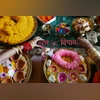
Diwali rituals are deeply rooted in ancient wisdom that nurtures physical, emotional and spiritual wellbeing. (Photo: Pexels)
Listen to This Article
Diwali is a time when homes light up with diyas, sweets are shared, and hearts are filled with joy. But beyond the sparkle and celebration lies a layer of traditional wisdom. Many of the rituals we follow, from lighting lamps to cleaning our homes and even fasting before the feast, have roots in health, hygiene, and emotional wellbeing.
Emotional recharge with festivity
At its heart, Diwali is about togetherness. Meeting loved ones, sharing meals, and exchanging gifts all play a vital role in emotional wellbeing. Social bonding triggers the release of oxytocin, the “feel-good” hormone that reduces stress and promotes happiness.
Dr Nita Radhakrishnan, head - Department of Paediatric Haematology and Oncology at the Postgraduate Institute of Child Health (PGICH), Noida, highlights the importance of such social connections. She notes that having a circle of friends to talk about life’s ups and downs is essential for maintaining mental health, in both children and adults. “There should be a system in each family to sit down and discuss different issues,” she says, adding that adults should make an effort to keep their friend groups active and prioritise in-person meetings.
In an age of digital distractions, these face-to-face interactions act as emotional nourishment, reminding us that connection is the true light of the festival.
Diyas bring warmth and wellness
Lighting earthen lamps is perhaps the most iconic Diwali tradition. But did you know it also serves a practical purpose? The flickering flame of a diya isn’t just aesthetic, it’s symbolic of hope and positivity. In Ayurveda, the use of ghee or mustard oil in lamps is believed to purify the environment by reducing harmful microbes. Some studies also suggest that burning camphor (often used in Hindu rituals) has antimicrobial effects and can suppress fungal growth in indoor environments.
Also Read

 "firecracker safety, Diwali")
 "brain structure, brain health")
 "firecrackers, Diwali")
 "overeating, appetite control")
 "alcohol, festive drinking")
The warm, soft glow also creates a calming ambience, helping lower stress and promoting a sense of mental peace.
Fasting and feasting during Diwali
Many people observe fasts leading up to Diwali, a practice that gently resets the digestive system after seasonal changes. Mild fasting helps reboot digestion, improve metabolism, and prepare the body for the heavier festive meals ahead.
“During the fasting phase, the body goes through changes that may support metabolism and energy use. This includes lower insulin levels, which can help with fat burning, and a process called autophagy, where the body removes damaged cells,” explains Dr Geeta Buryok, head – Clinical Nutrition & Dietetics, Max Healthcare, New Delhi.
The key is moderation. Enjoying festive treats mindfully, rather than indulging in excess, helps maintain balance while still savouring traditional flavours.
Cleaning and decluttering: Detox for home and mind
The Diwali cleaning ritual is more than just preparation for guests or Goddess Lakshmi’s welcome. It’s an ancient practice rooted in the idea of removing negative energy, both physical and emotional.
A clean, organised space helps reduce anxiety, clears mental clutter, and boosts productivity. On a physical level, deep cleaning helps minimise dust, allergens, and insects that tend to accumulate during monsoon months. In essence, the ritual acts as a holistic reset for both home and body.
“Cleaning a home burns calories and is also good for our body because it releases endorphins or feel-good chemicals within the brain. Therefore, activities like cleaning, decluttering and organising the home reduce anxiety and have a positive effect on our mental health. Additionally, it is a therapeutic activity because it reduces screen time by keeping you away from the TV or mobile and allows you to spend more time with yourself,” says Dr Swati Mittal, consulting psychiatrist at Fortis Hospital, Noida.
Festive foods with purpose
Traditional Diwali foods were once designed around the changing seasons. As autumn turns to winter, ingredients like sesame seeds, jaggery, dry fruits, and ghee-rich preparations provide warmth, energy, and nourishment.
“Traditional Indian recipes often use jaggery, honey, or date paste instead of refined sugar. These ingredients are less processed and contain trace minerals like potassium, magnesium, and small amounts of antioxidants. Dates also bring dietary fiber and natural polyphenols,” says Dr Eileen Canday, head of nutrition and dietetics at Sir HN Reliance Foundation Hospital, Mumbai.
These foods are naturally rich in good fats, minerals, and antioxidants, helping strengthen immunity and improve digestion. Think of them as festive comfort food with a purpose, passed down through generations.
Ancient practices, timeless wisdom
When we look closely, the rituals of Diwali aren’t random; they’re deeply intertwined with physical, mental, and spiritual health. Lighting diyas, cleaning homes, eating seasonal foods, and celebrating with family all work together to cleanse, restore, and rejuvenate us.
So, this Diwali, while you deck up your home in lights and laughter, remember — these age-old traditions carry more meaning than meets the eye. In embracing them, we honour not just culture, but also our collective wellbeing.
For more festive health stories, follow #HealthWithBS
This content is for informational purposes only and should not replace professional medical advice.
More From This Section
 "protein powder and supplement contamination")
 "Alzheimer's disease")
 "Diwali sweets, calories in Indian sweets, laddoo calories, kaju katli")
 "festive season health, Diwali pollution, air quality, firecracker smoke")
 "Diwali air pollution, firecrackers")
Topics : Health with BS BS Web Reports health news Diwali festival Diwali wishes Diwali healthy foods Ritual Ayurveda
Don't miss the most important news and views of the day. Get them on our Telegram channel
First Published: Oct 20 2025 | 10:12 AM IST