


HPV vaccine isn't just for teens: Why adults should get the shot too
As cervical cancer awareness grows, more adults are asking about the HPV vaccine. Experts break down who should get it and how much protection it really offers to adults
 "HPV vaccine adults")
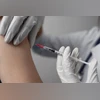
Vaccination drives are key to reducing HPV-related cancer risks among both men and women. (Photo: Freepik)


Listen to This Article
The human papillomavirus (HPV) vaccine has long been seen as a breakthrough in cancer prevention, particularly for its role in reducing cervical cancer risk. In India, where cervical cancer remains the second most common cancer among women, the rollout of HPV vaccine in many states has renewed conversations around prevention and awareness.
HPV is one of the most widespread sexually transmitted infections, with nearly 80 to 90 per cent of sexually active adults exposed at some point in their lives, shares Dr Tarjnee Tiwari, MD, Sion Hospital, Mumbai. “Most infections clear out naturally, but high-risk HPV strains, particularly types 16 and 18 are linked to cervical, throat, anal, and other cancers,” she adds.
While most vaccination drives focus on adolescents, many adults are now asking, “Is it too late for me? Can adults safely and effectively receive the HPV vaccine?” Experts say it depends on factors like age, prior exposure, and personal risk profile.
What the guidelines say
Globally, health authorities recommend HPV vaccination for girls and boys aged 9–14, ideally before sexual activity begins. This early window ensures the strongest immune response and maximum protection.
However, adults who missed their teenage doses are not necessarily out of options. The HPV vaccine is approved for individuals up to age 45. However, for adults aged 27–45, experts recommend a shared decision-making approach, meaning the choice should be based on individual risk factors such as sexual activity and potential future exposure.
Also Read

 "breast cancer, mammogram")
 "fact check, Thyroid")
 "Chiari malformation")
 "male breast cancer, breast cancer in men")
 "Cancer cells, infection")
“The best protection against cancer-causing HPV strains occurs when a person is vaccinated before any exposure to the virus,” explains Dr Tiwari. “However, more than half of all new HPV infections actually occur after the age of 25, which means adults, too, stand to benefit from vaccination.”
She said, while two doses of the HPV vaccine are recommended for most individuals who receive it before the age of 15, a three-dose schedule is advised for those aged between 26 and 45 to ensure adequate protection.
Physicians point out that many men remain unaware that they, too, are at risk of HPV infection and its related cancers. “For men aged 22 to 26, catch-up HPV vaccination is recommended, especially for those who are immunocompromised, including men living with HIV,” says Dr Kanika Batra Modi, AD & Clinical Lead for gynaecologic oncology at Max Healthcare, Delhi. “For others in this age group, the vaccine is not mandatory but still strongly advised, as it can offer meaningful protection against HPV-related diseases such as penile and throat cancers,” she says.
Benefit for adults
HPV vaccines have shown excellent duration of protection for the time periods through which they have been studied, says Dr Modi. “Continued protection against high-grade cervical, vaginal, and vulvar neoplasia has been observed through at least 84 months following vaccination among female trial participants. Persistent antibody levels and protection against HPV infection have been reported up to 10 years following vaccination,” she says.
- Even if you’ve been sexually active, the vaccine can still protect you against HPV strains you haven’t yet encountered.
- It can help reduce the long-term risk of cervical, certain oral or anal cancers.
- India’s growing vaccination awareness and availability of indigenous vaccines make adult immunisation more accessible and affordable.
Limitation for adults
Dr Modi says, “Indian adults can safely take the HPV vaccine up to 45 years of age, but its effectiveness decreases once a person has already been exposed to the virus.”
- The vaccine does not treat existing infections or related diseases, it only prevents new infections.
- Most adults may already have been exposed to one or more HPV types so the added benefit is less compared to vaccination before exposure.
- Regular screening through Pap smears or other tests remain vital even after vaccination.
Who should avoid HPV vaccine
The HPV vaccine is safe for most people, but in some cases, it may need to be delayed or avoided. You shouldn’t get the vaccine if you:
- Are pregnant: HPV vaccine is not recommended for use during pregnancy. Women known to be pregnant should delay initiation of the vaccination series until after the pregnancy. If you find out you’re pregnant after a dose, wait till after your pregnancy for the next shot.
- Had an allergic reaction: Tell your doctor if you reacted to a previous HPV shot or are allergic to ingredients like yeast or latex.
- Are unwell: If you have a moderate or severe illness, wait until you’ve recovered before getting vaccinated.
Always check with your healthcare provider to confirm the right time and suitability for your vaccination.
Also Read: India's HPV vaccine rollout brings cervical cancer prevention closer
For more health updates, follow #HealthwithBS
This report is for informational purposes only and is not a substitute for professional medical advice.
More From This Section
 "breast cancer, breast health")
 "Child vaccination")
 "heat waves, heat wave, summer, hot")
 "vitamin D")
 "stroke in young Indians, early stroke risk")
Don't miss the most important news and views of the day. Get them on our Telegram channel
First Published: Oct 31 2025 | 2:02 PM IST