


Menstrual Hygiene Day 2025: Why periods must never limit access or dignity
Observed every May 28, Menstrual Hygiene Day 2025 urges global action to end stigma and ensure access to safe, affordable menstrual care for women, and girls who menstruate
 "Menstrual Hygiene Day, menstrual hygiene India, menstrual health, period poverty, menstrual products")
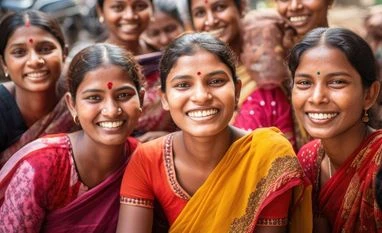
Menstrual Hygiene Day (MH Day) is observed every year on May 28 to raise awareness about the importance of good menstrual hygiene management (Photo: AdobeStock)
Listen to This Article
Every month, over 2 billion people across the world bleed, but not everyone can talk about it, let alone manage it with dignity. That’s why Menstrual Hygiene Day has become a global movement to bring the spotlight to an often-overlooked but vital issue: menstrual health. From breaking taboos to building infrastructure that improves access to hygiene products and better menstrual health for all girls, women, transgender men, and non-binary persons, the day calls for a future where periods are no longer a problem, but just a part of life.
What is menstrual hygiene?
Menstruation is a natural biological process in which the uterus sheds its lining, resulting in blood and tissue passing out of the body through the vagina. Menstrual hygiene refers to the practices and conditions that allow individuals to manage their periods safely and with dignity. This includes access to clean and effective menstrual products (like pads, tampons, or menstrual cups), privacy to change them as needed, and facilities to properly dispose of used products.
Menstrual Hygiene Day: History
Menstrual Hygiene Day (MH Day) is observed every year on May 28 to raise awareness about the importance of good menstrual hygiene management. It was initiated by the German-based NGO WASH United in 2013 when a 28-day social media campaign was launched to spread awareness around different aspects of menstruation. Motivated by the positive response, Menstrual Hygiene Day was observed for the first time on May 28, 2014, with rallies, exhibitions, workshops, and speeches.
The choice of May 28 is symbolic: May is the fifth month of the year, representing the average length of a menstrual cycle (five days), and 28 signifies the average number of days in a menstrual cycle.
What is the theme of Menstrual Hygiene Day 2025?
The theme for Menstrual Hygiene Day 2025 is “Together for a #PeriodFriendlyWorld”, urging collective action to ensure that menstruation does not limit access to education, health, or opportunity.
Also Read

 "weight loss, Wegovy semaglutide, Novo Nordisk Wegovy")
 "hospitalisation, hospital, operation")
 "PCOS, women, health, women in office, woman")
 "breakfast, family")

This theme underlines the global commitment to eliminate the stigma surrounding menstruation and ensure that by 2030, menstruation is recognised as a normal and healthy part of life.
Why is Menstrual Hygiene Day important?
According to UN Women, Menstrual Hygiene Day holds significance as it plays a crucial role in:
- Breaking taboos: Encouraging open conversations about menstruation to dismantle long-standing myths and stigmas.
- Promoting education: Ensuring that individuals, especially young girls, have access to accurate information about menstrual health.
- Improving access: Advocating for better access to menstrual products and sanitation facilities.
- Empowering women and girls: Enabling them to manage menstruation safely and with dignity, which is essential for gender equality.
What is the mission of Menstrual Hygiene Day?
The mission of MH Day is to create a world where menstruation is accepted as a normal part of life. This involves ensuring that everyone has access to quality menstrual products, period-friendly toilets, and accurate information about menstruation.
By fostering a period-friendly environment, MH Day aims to empower individuals to manage menstruation without shame or barriers.
What is the status of menstrual hygiene in India?
India has made significant strides in improving menstrual hygiene, but challenges remain. According to the National Family Health Survey-5 (2019–21), only 27.7 per cent of women had access to all four essential Menstrual Health and Hygiene (MHH) resources, which include using appropriate period products, an improved unshared toilet, water within the premises, and soap at the handwashing point.
On the use of menstrual hygiene products, NFHS-5 says that only 78 per cent of women aged 15–24 use hygienic methods of menstrual protection, and about 50 per cent of these use cloth. NFHS-5 further revealed that the lowest percentage of women using hygienic methods of menstrual protection are in Bihar (59 per cent), Madhya Pradesh (61 per cent), and Meghalaya (65 per cent).
What are the common menstrual products that can ensure hygiene during periods?
- Menstrual pads
- Menstrual cups
- Organic cotton tampons
- Period panties
- Reusable cloth pads
How to maintain hygiene during menstruation?
Maintaining proper menstrual hygiene is key to preventing infections and ensuring comfort during your period. According to the US Centers for Disease Control and Prevention (CDC), here are some important guidelines:
- Wash your hands before and after handling any menstrual product.
- Never flush menstrual products; wrap them in toilet paper and dispose of them in a covered bin.
- Change sanitary pads every few hours, even with light flow.
- Replace tampons every 4 to 8 hours to reduce the risk of Toxic Shock Syndrome (TSS).
- Clean menstrual cups daily during your period and sterilise them after use.
- Wear breathable cotton underwear and practise front-to-back cleaning.
- Stay hydrated to support your body during menstruation.
How does menstrual hygiene impact health?
Proper menstrual hygiene is vital for the overall health and well-being of women and girls:
- Physical health: Poor menstrual hygiene can lead to infections such as UTIs and reproductive tract infections.
- Mental health: Stigma and lack of support can cause stress, anxiety, and low self-esteem.
- Education: Inadequate facilities in schools can lead to absenteeism during periods.
- Economic impact: Missing school or work due to menstrual issues can have long-term economic consequences.
What can be done to improve menstrual hygiene?
To enhance menstrual hygiene management:
- Education: Implement menstrual education in schools and communities.
- Access to products: Ensure availability and affordability of menstrual products.
- Infrastructure: Develop period-friendly sanitation facilities in public spaces.
- Policy support: Governments should prioritise menstrual health and allocate resources accordingly.
According to the National Health Mission of India, improving menstrual hygiene is not just a health issue, it’s a matter of dignity, equality, and human rights. It urges people to come together this Menstrual Hygiene Day to promote awareness, dignity, and safe practices. For more health updates, follow #HealthWithBS
This content is for informational purposes only and is not a substitute for professional medical advice.
More From This Section
 "Covid 19, Covid-19, covid")
 "Hospitals, hospitals in India")
 "covid")
 "India covid cases")
Don't miss the most important news and views of the day. Get them on our Telegram channel
First Published: May 28 2025 | 11:16 AM IST