


Vitamin K: The overlooked nutrient powering bones, blood and heart health
Beyond blood clotting, Vitamin K supports bone strength, artery protection and metabolic health, making early detection of deficiency crucial across high-risk groups
 "vitamin k health benefits")
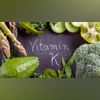
Green vegetables, fermented foods and dairy products provide natural Vitamin K for bone and heart health. (Photo: Adobestock)
Listen to This Article
Once known only as the “clotting vitamin”, Vitamin K is being recognised as a crucial player in bone strength, vascular health and even metabolic and brain function. Newer research and clinical evidence are pushing this essential nutrient back into the spotlight, especially as doctors warn of rising gaps in intake across certain groups in India.
Role of Vit K beyond clotting
For decades, Vitamin K was narrowly viewed through the lens of blood clotting. But experts say this understanding is rapidly evolving. “Vitamin K helps put calcium into bones and keep it out of blood vessels,” says Dr Rahul Mathur, Department of Internal Medicine, CK Birla Hospitals, Jaipur. He explains that the nutrient activates osteocalcin in bones and Matrix Gla Protein (MGP) in arteries, two proteins that regulate how calcium moves through the body.
According to Dr Rohit Deshpande, Internal Medicine Specialist, Lilavati Hospital, Mumbai, recent research also points to “anti-inflammatory and neuroprotective action”, with early links to better insulin sensitivity and reduced risk of chronic diseases. These findings, he notes, are still under active research, but promising.
Who is most at risk of deficiency?
While severe deficiency is uncommon in healthy adults, doctors warn that several groups in India remain vulnerable.
- Newborns, especially those who are breastfed, delivered at home or receive Vitamin K shots late. They are born with low stores, breast milk contains little Vitamin K, and missing the birth dose can lead to Vitamin K Deficiency Bleeding (VKDB), including intracranial or gastrointestinal bleeding.
- People with chronic liver disease, as the liver is required to activate Vitamin K-dependent clotting factors. These patients often have poor absorption and poor utilisation of Vitamin K.
- Individuals with fat-malabsorption disorders such as coeliac disease, inflammatory bowel disease, chronic pancreatitis, cystic fibrosis, extensive bowel resection or prolonged cholestatic jaundice. As Vitamin K is fat-soluble, it needs bile and pancreatic enzymes for proper absorption.
- Long-term broad-spectrum antibiotic users, since gut bacteria produce some Vitamin K2, and prolonged antibiotic exposure reduces this internal supply.
- People on specific medications like cholestyramine, orlistat, certain anticonvulsants, or high-dose vitamin E, all of which may interfere with Vitamin K absorption or metabolism.
K1 vs K2: What’s the difference?
Vitamin K1 (also called phylloquinone or phytonadione) is abundant in green leafy vegetables such as spinach, mustard leaves, methi and broccoli. It primarily supports blood clotting and has a shorter half-life, acting mostly in the liver.
Also Read

 "chronic pain and high blood pressure connection")
 "Nayanthara")
 "depression, low sunlight, mental health")
 "protein fortified snacks")
 "keto diet")
Vitamin K2 (menaquinones), found in fermented foods like curd and certain cheeses, and in small amounts in egg yolk and liver, plays a stronger role in bone and artery health. K2 stays in the bloodstream longer and is better distributed to bones and vessels.
“K1 mainly comes from ‘saag and sabzi’, while K2 comes from fermented and animal-source foods,” Dr Mathur notes.
Warning signs and testing
Early signs of deficiency include
- Easy bruising
- Gum bleeding
- Prolonged bleeding from cuts
- Heavier menstrual bleeding in women
PT (Prothrombin Time) and INR (International Normalised Ratio) tests are the primary diagnostic tools that help measure how long it takes blood to clot. A rapid improvement in PT/INR readings after a Vitamin K injection strongly points to a deficiency.
How to maintain healthy levels
A balanced Indian diet rich in leafy greens, fermented foods, dairy and eggs is usually enough to maintain levels. Supporting gut health through fibre and probiotics also helps.
But supplements must be used cautiously. “High doses can decrease the effectiveness of blood thinners like warfarin,” Dr Deshpande warns. Individuals with liver disease or those on anticoagulants should only take Vitamin K under medical supervision.
For newborns, both experts stress that the single intramuscular Vitamin K shot at birth is essential, a simple step that prevents a potentially fatal condition.
For more health updates, follow #HealthwithBS
This report is for informational purposes only and is not a substitute for professional medical advice.
More From This Section
 "jaggery")
 "National Epilepsy Day")
 "ultra-processed foods")
 "sitting too long blood sugar, diabetes risk sitting, sedentary lifestyle")
 "digestion time of food")
Don't miss the most important news and views of the day. Get them on our Telegram channel
First Published: Nov 18 2025 | 2:16 PM IST