


Cabinet clears SHANTI Bill to open civil nuclear energy to private sector
The Cabinet nod comes as a significant development for India's nuclear energy sector, as it aims to reach a 100 GW atomic energy target by 2047
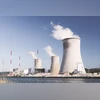 "Nuclear energy")
The Bill is likely to be tabled next week, ahead of Parliament's winter session's close on December 19.
Listen to This Article
The Union Cabinet on Friday greenlit the Sustainable Harnessing and Advancement of Nuclear Energy for Transforming India (SHANTI) Bill, which seeks to pave the way for private sector participation in India’s hitherto tightly-controlled civil nuclear power sector, PTI reported.
The Bill is likely to be tabled next week, ahead of Parliament's winter session's close on December 19.
The Cabinet approval is a significant development for India's nuclear sector as it aims to reach a 100 GW atomic energy target by 2047, which is also the country's centenary of independence. It comes after Prime Minister Narendra Modi last month said the government is preparing to open India's nuclear sector to private players.
“We are moving towards opening the nuclear sector as well. We are laying the foundation for a strong role for the private sector in this field too,” PM Modi said.
Ahead of the beginning of the Winter Session, the Centre had also listed the Atomic Energy Bill, 2025, as part of its agenda. On December 4, Union Minister of Science and Technology Jitender Singh said that proposed draft of the Atomic Energy Bill 2025 is "currently in advanced stage of processing and preparation".
Also Read

 "Canada Indian")
 "coal mines")
 "Centre sets 2026 copra MSP at ₹12,027 and ₹12,500")
 "Illustration")
 "Census 2027")
Why does opening the nuclear sector matter?
Currently, India’s nuclear energy base remains modest, with 23 reactors run solely by the state-owned Nuclear Power Corporation of India Ltd (NPCIL), with an installed capacity of just 8.8 GW. However, it has set a target of achieving 22 GW capacity by 2032 and 100 GW by 2047. Against this backdrop, the Centre’s plans to allow private companies into the civil nuclear sector could help the country move closer to its targets.
In her Budget speech in February, Finance Minister Nirmala Sitharaman had also announced plans of opening up the nuclear power sector for private sector participation.
She also announced a ₹20,000-crore Nuclear Energy Mission to support research and development of small modular reactors (SMRs) and to make five indigenously developed SMRs operational by 2033.
India and the United States signed a historic civil nuclear cooperation deal shortly after the turn of the century, when the Manmohan Singh-led United Progressive Alliance was in power at the Centre. Since then, however, there has been little movement on civil nuclear energy progression, largely because of an onerous civil liability clause that targeted suppliers, and is widely believed to have kept potential investors away.
“There is a need to re-look at the liability law because the current law has not instilled confidence in the international nuclear industry for nuclear projects to take place in the country. That’s a fact of life,” External Affairs Minister S Jaishankar had said in April this year.
More From This Section
 "Droupadi Murmu, Murmu, President")
 "Supreme Court, SC")
 "Shivraj Patil")
 "Supreme Court, SC")
 "Union Finance Minister Nirmala Sitharaman speaks during the first day of the Winter Session of Parliament, in New Delhi, Monday, Dec. 1, 2025. (Sansad TV via PTI Photo)")
Don't miss the most important news and views of the day. Get them on our Telegram channel
First Published: Dec 12 2025 | 8:23 PM IST