


Delhi Metro hikes fares by average 7% in first revision in eight years
Covid losses and JICA loan repayments have strained DMRC finances, prompting a 7% fare hike, the sixth revision in the Delhi Metro's 23-year journey
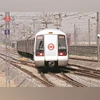 "metro fare hike, delhi metro,Asian Infrastructure Investment Bank,AIIB,finance ministry,Delhi Metro Rail Corporation, DMRC,")
The public-sector corporation, set up in 1995 under the leadership of India’s “Metro Man” E Sreedharan, earned Rs 6,800 crore from operations but reported a net loss of Rs 5,104 crore in 2023-24, according to its annual report.
Listen to This Article
After a gap of nearly eight years, the Delhi Metro Rail Corporation (DMRC) on Monday announced a fare increase ranging between ₹1 and ₹4 across slabs. The increase, which works out to an average of 7 per cent over existing fares, comes at a time when the transporter is grappling with a financial crunch.
In a post on social media platform X, DMRC said the fare hike was “minimal”.
The transporter charges passengers based on the distance travelled. Under the new structure, which kicked in on Monday, a ₹10 ticket in the lowest slab (0–2 km) now costs ₹11, while a ₹60 ticket for the highest travel slab (over 32 km) costs ₹64. For example, a journey from Noida City Centre to Rajiv Chowk now costs ₹43, from ₹40 earlier. Fares on the Airport Line have also been raised.
“In recent years, DMRC has been facing considerable financial challenges. Losses during the Covid-19 period and repayment commitments to the Japan International Cooperation Agency (JICA) have placed a heavy strain on DMRC’s resources,” a spokesperson said.
The company said the need for midlife refurbishment of Delhi Metro trains, upkeep of civil assets and machinery, as well as salary expenses, have continued to exert pressure on finances. Worldwide, metro services are operated as a public service and the benefits these systems provide to society in terms of connectivity and ease of mobility are far-reaching, the statement said.
Also Read

 "Nikki Bhati")
 "DMRC, Delhi metro")
 "Metro, Delhi metro")
 "Delhi Metro")
The fourth fare fixation committee had recommended a revision of fares through an automatic formula. The current hike has been carried out in line with statutory provisions and the committee’s recommendations.
Amit Gupta, partner at accounting and consultancy firm EY, termed the fare increase as a prudent measure aimed to strengthen DMRC’s financial health. “It will help offset rising operational costs, which have surged due to inflationary pressures, as indicated by a Wholesale Price Index increase of nearly 26 per cent since the last fare revision,” Gupta said.
DMRC continues to face significant financial pressure, with the outstanding amount of its JICA loan at ₹30,835.39 crore as of March 2024. “This debt reflects the capital-intensive nature of expanding and maintaining the metro network," he said.
In FY24, DMRC incurred a loss before tax of₹1,781.69 crore and losses for FY25 are likely to be around ₹1,598 crore (unaudited). “This minimal increase in fares will only marginally alleviate the losses being suffered by DMRC," an official spokesperson said, adding that the additional revenue will help DMRC maintain its world-class operational standards by ensuring timely upkeep of its trains and ageing infrastructure.
The public-sector corporation, established in 1995 under the leadership of India’s “Metro Man” E Sreedharan, reported operational revenue of ₹6,800 crore in FY24 but still posted a net loss of ₹5,104 crore, according to its annual report.
This is the sixth fare revision in the nearly 23 years of the Delhi Metro’s operations. Fares were first revised in 2004, followed by revisions in 2005, 2009, and twice in 2017 (May and October).
DMRC, which now consults on metro projects across India and abroad, reported an average daily ridership of 5.83 million in FY24. In FY25, ridership rose to about 6.5 million daily, with several days recording all-time highs.
According to DMRC’s 2023-24 annual report, rolling stock that had completed 20 years of service was refurbished to increase safety and reliability of trains, as well as to match with the latest available passenger features. Seventeen trains have been refurbished and the work was ongoing to convert all 70 trains expeditiously at the time of its reporting. Other upgrades included installation of an automatic rail check system and wheel flange lubricator.
More From This Section
 "Israel building strike")
 "pharma companies, immunology,vantage point, hospitals,science pharmaceuticals")
 "Supreme Court, SC")
 "cbi")
 "Rekha Gupta, Delhi CM")
Topics : DMRC Metro Rail Metro rail projects
Don't miss the most important news and views of the day. Get them on our Telegram channel
First Published: Aug 25 2025 | 7:37 PM IST