


Early GST euphoria gives way to mkt fatigue amid tariff, earnings worries
The BSE Sensex, after rising as much as 889 points (1.1 per cent) during the day, closed at 80,718 - up 150 points, or 0.2 per cent
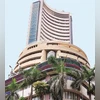 "markets, Sensex, nifty")
The BSE Sensex, after rising as much as 889 points (1.1 per cent) during the day, closed at 80,718 — up 150 points, or 0.2 per cent.
Listen to This Article
Indian equity benchmarks gave up early gains and ended flat on Thursday, as a higher goods and services tax (GST) on oil exploration services dragged down index heavyweight Reliance Industries (RIL), offsetting advances in automotive and banking majors.
The BSE Sensex, after rising as much as 889 points (1.1 per cent) during the day, closed at 80,718 — up 150 points, or 0.2 per cent. The National Stock Exchange Nifty ended at 24,734, a gain of 19 points, or 0.08 per cent. Market capitalisation, however, declined by ₹1.5 trillion to ₹451 trillion.
On Wednesday (September 3), Finance Minister Nirmala Sitharaman announced GST rate cuts on two-wheelers, consumer staples, air conditioners, cancer drugs, and other items. The GST Council approved a simplified two-rate structure of 5 per cent and 18 per cent for most goods, replacing the current four-rate system. A 40 per cent rate, though, will continue on “super luxury” and “sin” goods such as cigarettes, cars above a certain engine capacity, and carbonated beverages.
The rate cut aims to revive consumption and cushion the economy against the impact of the 50 per cent trade tariffs imposed by the US on Indian exports.
“Weak consumption in the past two to three years was partly attributable to commodity inflation-led price compound annual growth rate tracking ahead of income growth. The deflationary impact of the GST rate cut will partly address this headwind. Further, easing commodity prices (tea, palm, and coffee), a good monsoon, a favourable base for urban consumption, the recent personal income-tax reduction, and the upcoming Pay Commission augur well for fast-moving consumer goods consumption over the next 12–15 months,” Kotak Institutional Equities said in a note.
Also Read

 "Piyush Goyal, Piyush")
 "penthouse, housing, hotels")
 "Farmers, Farmer, agriculture, fertilizers")
 "bank loan, banks")
 "cement")
But after an initial surge, the market’s response faded as investors priced in the GST changes.
“Markets are grappling with tepid corporate earnings, concerns over US tariffs, and consistent foreign portfolio investor (FPI) selling. The impact of these announcements will be reflected in earnings from the third quarter, due in January 2026,” said Siddhartha Khemka, head of research (wealth management) at Motilal Oswal Financial Services.
Looking ahead, investors will track the US Federal Reserve’s policy announcement later this month and watch for cues on a possible rollback of additional tariffs on India.
Mahindra & Mahindra, up 6 per cent, was the biggest contributor to Sensex gains and the day’s top performer, followed by HDFC Bank, which rose 0.8 per cent. RIL fell 0.9 per cent, emerging as the biggest drag due to higher taxes on oil-related services. Despite the steep 40 per cent tax on sin goods like cigarettes, Godfrey Phillips India gained 2.6 per cent.
“The broader outlook remains vulnerable. In the near term, consolidation in the benchmark index cannot be ruled out,” said Ajit Mishra, senior vice-president of research at Religare Broking.
FPIs were net sellers worth ₹106 crore, while domestic institutions were net buyers of ₹2,233 crore.
 "L&T Finance, LTF (Photo: Banking Frontiers)")
 "markets, Sensex, nifty")
 "Rs, Rupee, Indian Currency")
 "stock market live today")
 "Leading brokers are expected to increase brokerage rates in the coming weeks, as they navigate a series of regulatory changes that are expected to squeeze profitability.")
Topics : Sensex GST Reliance Industries Nifty Market news Markets
Don't miss the most important news and views of the day. Get them on our Telegram channel
First Published: Sep 04 2025 | 8:03 PM IST