


German elections: Who are the top candidates & what are their priorities
Originally scheduled for September 28, the German elections were advanced following the dramatic collapse of Chancellor Olaf Scholz's three-party coalition government in November
 "German elections")
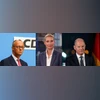
German elections: (From L to R) Friedrich Merz (CDU), Alice Weidel (AfD), and Olaf Scholz (SPD) are among the frontrunners.


Listen to This Article
Germany will head to the polls on February 23 for snap federal elections, a decision that will shape the future of the European Union's largest economy and its political landscape for the next four years.
Originally scheduled for September 28, the elections were advanced following the dramatic collapse of Chancellor Olaf Scholz’s three-party coalition government in November. The coalition, comprising the Social Democratic Party (SPD), the Free Democratic Party (FDP), and the Greens, dissolved after months of internal conflict, economic challenges, and differences over key policies. The final straw was a bitter dispute over the national budget, which led to the firing of the liberal finance minister, Christian Lindner (FDP).
In response, Scholz called a vote of confidence in parliament, which he intentionally lost, triggering the snap elections. Now, the February 23 vote will determine Germany's next leader and set the course for its economy and foreign policy.
German elections: Key candidates and their policies
Friedrich Merz (CDU)

 "Germany, Germany flag")
 "Olaf Scholz, Olaf, Scholz")
 "Stock Market, Market, Crash, Funds, up, Stock, Gain, Lost, decline, statistic, Crisis, Capital, BSE, NSE")
 "Market, Stock market, NSE, National Stock Exchange")
 "Cement")
Friedrich Merz, leader of the Christian Democratic Union (CDU), is the frontrunner. The CDU currently leads in opinion polls, with Merz's party ahead by 10 percentage points over the far-right Alternative for Germany (AfD). Merz is also the preferred candidate for chancellor.
Merz has proposed an "Agenda 2030" plan to boost Germany’s economy. This includes tax cuts, reducing corporation tax to 25 per cent, and increasing the threshold for the top income tax rate to €80,000. He has also advocated for significant reforms in military and immigration policies, such as compulsory military service, expanding surveillance in high-risk areas, and stricter asylum rules. The CDU is pushing for a stronger national role on the global stage and reforms to the EU’s bureaucracy.
Olaf Scholz (SPD)
Incumbent Chancellor Olaf Scholz leads the Social Democratic Party (SPD), which is currently polling in third place. The SPD, which had led the government in coalition with the Free Democratic Party (FDP) and the Greens, saw its popularity drop significantly after internal tensions and dissatisfaction with the coalition's performance.
Scholz’s party favours public investment, particularly in infrastructure and the green transition. SPD policies include tax increases for the wealthy and a rise in the minimum wage. The party also supports Ukraine by providing military aid and continuing NATO integration. Despite calls for fiscal restraint, the SPD advocates a reform of Germany’s constitutional debt limit to allow more spending on public services.
Alice Weidel (AfD)
Alice Weidel, leader of the far-right AfD, has gained attention for her controversial stances, including advocating for mass deportations and closing Germany’s borders. The AfD, now polling second, also supports the termination of sanctions against Russia and the cessation of military aid to Ukraine. Weidel’s policies include tax reductions and the introduction of compulsory military service. The party has been vocal in its criticism of the European Union, advocating for Germany's exit from the bloc and a focus on a free trade zone instead.
Robert Habeck (Greens)
The Green Party, with Robert Habeck as its leader, is polling in the mid-range. The Greens focus on tackling climate change and pushing for investments in green energy. They also support a reformed debt brake to fund infrastructure projects and transition to net-zero emissions. The Greens now back spending 2 per cent of GDP on defence and have changed their stance on Ukraine, supporting its integration into NATO.
Sahra Wagenknecht (BSW)
Sahra Wagenknecht's new political party, the Alliance (BSW), is gaining traction but has yet to secure a significant share of the vote. The BSW advocates for a pacifist stance, opposing arms shipments to conflict zones and calling for cheaper energy, including from Russia. The party also seeks to limit migration and promote citizens' insurance over private health options.
Christian Lindner (FDP)
Christian Lindner, former Finance Minister and leader of the FDP, has seen his party’s popularity decline since his dismissal from the coalition. The FDP, which traditionally supports fiscal conservatism, is against reforming the debt brake and proposes tax cuts for businesses. It also wants to delay Germany’s climate neutrality goal and reinvest in nuclear power. On migration, the FDP suggests centralising deportation powers at the federal level.
More From This Section
 "dentist")
 "V Narayanan, ISRO Chairman")
 "Donald Trump, Trump")
 "HSBC")
 "Saudi Arabia's Crown Prince Mohammed Bin Salman")
Don't miss the most important news and views of the day. Get them on our Telegram channel
First Published: Feb 18 2025 | 12:32 PM IST