Every October, social media turns pink with posts about awareness walks, celebrity pledges, and #BreastCancerAwareness hashtags. Yet, when it comes to actually walking into a clinic for a
mammogram, many women hesitate, delay, or avoid it altogether.
“Despite advances in medicine and widespread campaigns about
breast cancer, mammography remains grossly underused among Indian women,” says Dr Aastha Gupta, Senior Gynaecologist and IVF Consultant at Delhi IVF.
Mammogram 101: what it does and how it helps
Dr Gupta explains that a mammogram is a low-dose X-ray that can detect tiny abnormalities in breast tissue even before a lump can be felt by hand.
Early detection through mammography can improve survival rates by up to 95 per cent, according to studies. Yet most women wait until symptoms show, by which time the
cancer has often advanced, making treatment more complex.
What is keeping women away?
Myths about mammograms
According to Dr Gupta, many women fear that
mammograms release dangerous radiation, are unbearably painful, or lead to false alarms that cause unnecessary stress.
She clarifies, “The radiation dose in a mammogram is minimal and completely safe. The discomfort lasts only seconds, but the benefits of early detection can last a lifetime.”
In reality, the greater risk lies not in screening, but in not screening.
Women confuse mammograms with self-exams
There is widespread confusion between self-breast examination (SBE), clinical breast examination (CBE), and mammography. Dr Gupta notes that while SBE and CBE are helpful for becoming familiar with one’s body, they cannot pick up microscopic or deep-tissue changes that mammograms can.
Many women believe that checking themselves regularly is enough, a misplaced confidence that can dangerously delay diagnosis.
Access and affordability still major hurdles
Access to mammography remains uneven across India. In cities, tertiary care hospitals and private diagnostic centres offer screening, but affordability remains a hurdle, especially for those without insurance.
“In rural and semi-urban areas,” says Dr Gupta, “the challenge is even greater. The number of operational mammography machines per population is far too low, and public hospitals often face long waiting times or equipment shortages.”
So, while awareness campaigns may reach rural women, the infrastructure often doesn’t.
Low awareness about insurance cover
Preventive screening, including mammography, is covered under several government and private health insurance plans. But awareness about these benefits is poor.
Economic constraints, combined with ignorance about existing schemes, prevent women from availing themselves of free or subsidised screenings.
Cultural and gender norms
Social attitudes around modesty, particularly the discomfort of being examined by male technicians, often keep women from taking the test.
“Younger or unmarried women,” Dr Gupta adds, “feel embarrassed or even fearful about discussing breast health. Many worry they will be judged or stigmatised.”
Fear: the biggest invisible barrier
Many women see a positive diagnosis as a death sentence. In truth, early detection brings time, treatment options, and hope. “Most women don’t realise that
breast cancer detected early is highly curable,” Dr Gupta emphasises.
How can India change the narrative?
A mammogram shouldn’t be seen as a medical ordeal. “Mammograms should be as normal as a Pap smear, a blood pressure check, or an annual health test,” says Dr Gupta.
She calls for a multi-layered approach that includes:
- Awareness campaigns that use simple, relatable language.
- Accessible screening in rural and semi-urban areas.
- Gender-sensitive diagnostic environments where women feel safe.
- Affordable or free testing programmes to remove financial hesitation.
The next step in breast cancer awareness, she says, is making screening a cultural norm because empowering women to
screen early is the strongest form of self-care.
As Dr Aastha Gupta puts it, “A mammogram should be as normal as a Pap smear, a blood pressure check, or an annual health test.”
Since you're already here
…and clearly interested in your health, take a moment to explore our varied range of stories on wellness, medical research, and public health insights.
For more health updates, follow #HealthWithBS This content is for informational purposes only and is not a substitute for professional medical advice.

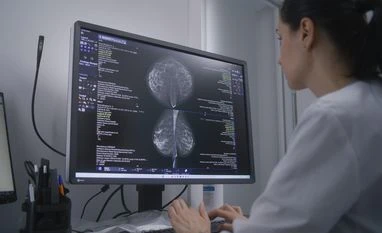 "Breast cancer: Why do so many women still avoid mammograms in India?")


 Connect with us on WhatsApp