Ratcheting up the interest in power couples are the increased engagement levels between stars and brands on social media and the blurring of lines between public and private lives, say experts. While Bollywood couples such as Amitabh and Jaya Bachchan and even the relatively recent, Ajay and Kajol Devgn, have always found the odd brand associations, their use has been limited to a few advertisements within a static storyline.
Today fans stalk their stars whose social media feeds are managed by a team of marketers. The interest is fuelled and nurtured through calibrated tweets, images and comments, bringing in phenomenal numbers of followers. Such engagements offer more opportunities to leverage the endorsement relationship and also, more bang for the buck, for brands.
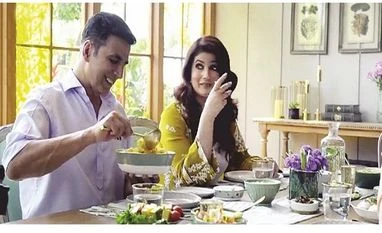
For example Akshay Kumar and Twinkle Khanna who have been married since 2001 and have the maximum number of brands (3) as a couple. Their big brand breaks have only come in 2017-18 when both took to social media with greater gusto.
Twinkle Khanna’s blog draws millions as do her books and one-liners on Twitter where she dons the avatar of Mrs Funnybones. And Akshay Kumar has built his image of a nationalist hero through his movies and the causes he supports.
“Akshay-Twinkle score over other power couples on one very major attribute: visible compatibility. There is a certain solidity and maturity about them,” says Sandeep Goyal, founder, Mogae Media who calls them an ‘emulate-able’ brand.
“The recent times have seen a definitive shift in the consumer behavior and decision making. The classic singular homemaker role has changed to one that involves joint decision making. This shift is easy to see in the way marketers approach the customers now,” says Ashish Mishra, managing director, Interbrand.
Mishra is refering to the ads for Lodha Developers and Fortune where Akshay Kumar and Twinkle Khanna demonstrate a reveral of gender roles in their marriage. Similarly for Virat Kohli and Anushka Sharma in ads for Manyavar.
In an age where celebrities are living their lives under the public gaze, brands must find ways to use them more smartly. It is not enough to show them as a couple, it is important to get the story around the duo right too. “In Akshay Twinkle you get the new urban couple who are also celebrities. They score over the younger ones as they have been married for a while, are relevant for a wider variety of the urban consumption, both qualify as celebrities with Akshay emerging as a responsible hero and Twinkle the independent new woman who chose her canvas,” Mishra says.
The makers of the Fortune ad created by Dharma 2.0, the ad-film and digital arm of Karan Johar’s Dharma Productions were mindful of the public personalities of their couple endorser. “We used their chemistry to narrate a story about long-term relationships. Our brand films reflect how including a power couple or a reputed public figure into a compelling concept can effectively drive the message home. I believe it is paying close attention to these subtle aspects that has led to our offerings breaking the clutter and standing out,” says Punit Malhotra, head of business and producer at Dharma 2.0.
Experts believe that couple endorsers are versatile, in that they can be used for almost any category, provided the personalities of the couple and the brand match. The lowest hanging fruits though would be home—housing/real estate, and paints, food—and categories that signify togetherness like holidays, luxury hotels, and cars. Goyal sees a bright future for the likes of Virat-Anushka and Deepika-Ranveer (potentially), given their presence on social media and the huge interest their marriages generated. However to truly leverage the star power, marketers need a narrative that fits in with the couple’s public image and appeals to their fans on social media, which can be quite a formidable ask.


 "Akshay Kumar, Twinkle Khanna")

