


India's climate mitigation plans face a threat as Earth warms
Companies such as Hero Future Energies have started investing in digital solutions that help monitor weather changes, and plan generation accordingly
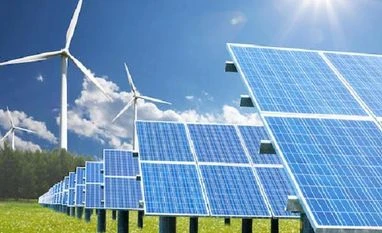 "Renewable energy")
premium
In the last five years, the average wind speed has been witnessing negative variation in the five key wind power generation states
India is pitching its climate mitigation efforts on giga-scale renewable energy deployment. The country is aiming for a 450 Gw of renewable energy (RE) capacity by 2040, and is confident of meeting the commitments it made at the Paris Climate Conference in 2015. But this very plan is threatened by climate change since weather extremes in India hurt the sustainability of solar and wind projects.
This then creates the need for additional investment in projects for mitigation technologies, and forecasting and scheduling of RE generation to tackle unprecedented short- and long-term weather changes.
In the last five years, the average wind speed has been witnessing negative variation in the five key wind power generation states: Maharashtra, Madhya Pradesh, Rajasthan, Andhra Pradesh and Karnataka. The negative variation is in the range of 90-120 per cent over the nominal wind speeds seen in the past 38 years. For instance, last year, due to back-to-back cyclones and changing monsoon patterns, with heavy rains impacting wind speeds, wind energy generation fell by 40 per cent in some windy regions during peak generation season.
Changing weather patterns also brought more cloudy days, masking solar power generation. During April to July this year, Gujarat, Rajasthan, Madhya Pradesh and Karnataka saw solar power generation fall 7-15 per cent over last year. Sector experts say the trend continues in August, too.
The Sixth Assessment Report (AR6) of the United Nations Intergovernmental Panel on Climate Change (IPCC), released recently, says that in 20 years, global average air temperature may rise by more than 1.5 degree Celsius, a dangerous threshold. Carbon emissions are the main driver of climate change, besides other greenhouse gases and air pollutants, it said.
This then creates the need for additional investment in projects for mitigation technologies, and forecasting and scheduling of RE generation to tackle unprecedented short- and long-term weather changes.
In the last five years, the average wind speed has been witnessing negative variation in the five key wind power generation states: Maharashtra, Madhya Pradesh, Rajasthan, Andhra Pradesh and Karnataka. The negative variation is in the range of 90-120 per cent over the nominal wind speeds seen in the past 38 years. For instance, last year, due to back-to-back cyclones and changing monsoon patterns, with heavy rains impacting wind speeds, wind energy generation fell by 40 per cent in some windy regions during peak generation season.
Changing weather patterns also brought more cloudy days, masking solar power generation. During April to July this year, Gujarat, Rajasthan, Madhya Pradesh and Karnataka saw solar power generation fall 7-15 per cent over last year. Sector experts say the trend continues in August, too.
The Sixth Assessment Report (AR6) of the United Nations Intergovernmental Panel on Climate Change (IPCC), released recently, says that in 20 years, global average air temperature may rise by more than 1.5 degree Celsius, a dangerous threshold. Carbon emissions are the main driver of climate change, besides other greenhouse gases and air pollutants, it said.