


Axis Bank may see Rs 9,000-cr provisioning over FY17-18
Loans given to iron and steel and the power sector are the highest contributors to the watch list
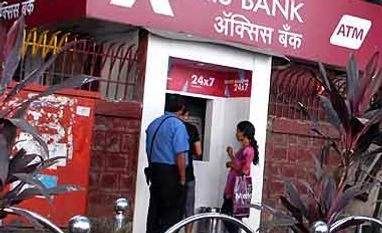 "Axis Bank to see elevated provisions over Rs 9,000 cr over FY17-FY18")
Axis Bank, India’s third largest private sector lender, is staring at an elevated provisioning of Rs 9,000 crore over FY17 and FY18, as it expects the asset quality pressure to continue. This is much higher than the average provisioning of Rs 2,208 crore it has seen every year in the past five financial years.
In a conference call with analysts, the bank’s management said it was monitoring Rs 22,600 crore worth of loans and 60 per cent of these might slip into non-performing assets (NPAs).
The lender is likely to maintain a provision coverage ratio of 70 per cent, which adds up to Rs 9,000 crore. However, analysts say provisioning would be much higher because slippages could happen even outside the loans being monitored.
“This is not to say that no NPAs would happen from outside of this (watch list); however, it is our expectation that this is going to be the key source of NPAs from the corporate banking side over the next two years. There would also be accretions to NPAs from both the small and medium enterprises book and the retail book,” said Jairam Sridharan, chief financial officer, Axis Bank.
Loans given to the iron & steel and power sectors figure prominently in the watch list. The list also includes loans given to textiles, services, shipping and infra sectors. “We think keeping 70 per cent provision cover for this group is conservative. It is true that past track record does not indicate an LGD (loss given default) of this size; however, given the environment and our experience with these accounts, I think it is appropriate for us on the side of keeping a little bit higher cover,” said Sridharan.
The provisioning is also likely to increase in the coming quarters as the bank expects a higher credit cost. For FY17, the management has given a credit cost of 125-150 basis points (bps), compared to 111 bps in FY16.
“As recovery is pending in identified stressed exposures (iron & steel and power) and assessing the credit rating disclosures (BBB and below), we raise FY17-18E slippages estimates to average of 2.35 per cent versus 1.2 per cent earlier,” said a research report by HDFC.

Don't miss the most important news and views of the day. Get them on our Telegram channel
First Published: May 09 2016 | 11:55 PM IST