


Odisha govt seeks Sidbi's views on expanding ambit of MSME scheme
Says govt ready to pump in Rs 100 crore, wants a special fund for MSMEs
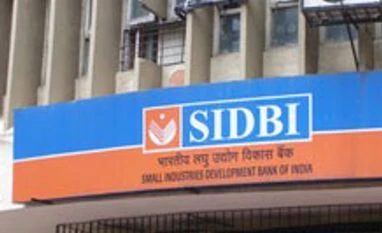)
The Odisha government has sought the views of micro units lender Small Industries Development Bank of India (Sidbi) on expanding coverage under Credit Guarantee Fund Trust for Micro & Small Enterprises (CGTMSE).
Last month, the state MSME (micro, small & medium enterprises) department had sent a proposal to Sidbi, conveying the state government's readiness to pump in Rs 100 crore for CGTMSE. The department wanted Sidbi to introduce a special fund for MSMEs in the state.
“I am directed to request you to indicate the views of Sidbi on the issues raised so as to enable the director of industries to make a detailed action plan for implementation of the decisions taken at the recent meeting”, P S Mishra, additional secretary, MSME wrote to chairman cum managing director of Sidbi.
At a recent meeting, it was decided that a state specific scheme may be introduced for MSMEs in the state. It was suggested that the CGTMSE coverage be expanded to provide additional loan for coverage of sick units. The loan coverage should also include specific groups that have limited access to formal credit like self-help groups (SHGs), joint liability groups (JLGs) and start-ups.
Settlement of claims under CGTMSE in case of default in repayment may be made within a year. There was a consensus that a mechanism may be formulated to monitor the NPA (non-performing assets) covered under CGTMSE in order to explore the possibility of their revival.
The Union ministry of MSME and Sidbi have set up the CGTMSE to operationalise the Credit Guarantee Scheme (CGS) so as to strengthen credit delivery system and facilitate flow of credit to the MSME sector. Under the scheme, collateral free loans are provided to MSMEs.
The main objective of the scheme is that the lender should give importance to project viability and secure the credit facility purely on the primary security of the assets financed.
The other objective is that the lender availing guarantee facility should endeavour to give composite credit to the borrowers so that the borrowers obtain both term loan and working capital facilities from a single agency.
Under the scheme, the guarantee cover available is restricted to credit of Rs one crore even though credit extended is more than Rs one crore to an eligible borrower. CGTMSE provides guarantee cover up to 75 per cent of the amount in default subject to a maximum of Rs 62.50 lakh.
Under CGTMSE, a corpus fund of Rs 2500 crore has been created for coverage of loan advances to MSMEs. In order to increase the coverage under CGTMSE, the Union MSME ministry has urged all states to contribute Rs 100 crore each. In the meantime, the Kerala Finance Corporation has contributed Rs 10 crore to the CGTMSE.
Last month, the state MSME (micro, small & medium enterprises) department had sent a proposal to Sidbi, conveying the state government's readiness to pump in Rs 100 crore for CGTMSE. The department wanted Sidbi to introduce a special fund for MSMEs in the state.
“I am directed to request you to indicate the views of Sidbi on the issues raised so as to enable the director of industries to make a detailed action plan for implementation of the decisions taken at the recent meeting”, P S Mishra, additional secretary, MSME wrote to chairman cum managing director of Sidbi.
At a recent meeting, it was decided that a state specific scheme may be introduced for MSMEs in the state. It was suggested that the CGTMSE coverage be expanded to provide additional loan for coverage of sick units. The loan coverage should also include specific groups that have limited access to formal credit like self-help groups (SHGs), joint liability groups (JLGs) and start-ups.
Settlement of claims under CGTMSE in case of default in repayment may be made within a year. There was a consensus that a mechanism may be formulated to monitor the NPA (non-performing assets) covered under CGTMSE in order to explore the possibility of their revival.
The Union ministry of MSME and Sidbi have set up the CGTMSE to operationalise the Credit Guarantee Scheme (CGS) so as to strengthen credit delivery system and facilitate flow of credit to the MSME sector. Under the scheme, collateral free loans are provided to MSMEs.
The main objective of the scheme is that the lender should give importance to project viability and secure the credit facility purely on the primary security of the assets financed.
The other objective is that the lender availing guarantee facility should endeavour to give composite credit to the borrowers so that the borrowers obtain both term loan and working capital facilities from a single agency.
Under the scheme, the guarantee cover available is restricted to credit of Rs one crore even though credit extended is more than Rs one crore to an eligible borrower. CGTMSE provides guarantee cover up to 75 per cent of the amount in default subject to a maximum of Rs 62.50 lakh.
Under CGTMSE, a corpus fund of Rs 2500 crore has been created for coverage of loan advances to MSMEs. In order to increase the coverage under CGTMSE, the Union MSME ministry has urged all states to contribute Rs 100 crore each. In the meantime, the Kerala Finance Corporation has contributed Rs 10 crore to the CGTMSE.

Don't miss the most important news and views of the day. Get them on our Telegram channel
First Published: Aug 09 2015 | 8:31 PM IST