


Second time lucky with Baleno
Maruti Suzuki shunned conventional wisdom when it recycled an old name to brand a new car. A year later the gamble is paying off
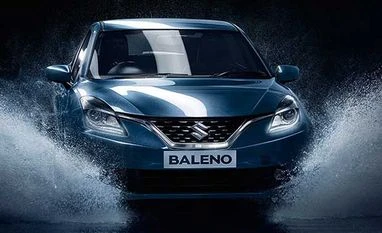 "Maruti Suzuki Baleno")
What's in the name of a product? A lot, marketers will say. No doubt a brand is more than the moniker attached to it, but a name is pretty high up on the list of things that helps win customers over. This is especially true in the automobile industry, more so because the customer set here is diverse and car names are tracked with a cult-like passion. So when Maruti Suzuki decided to launch a new car with an old name, one that had been used for a discontinued model, it faced skepticism all round.
Manufacturers hunt for a name that is catchy, easily remembered and has no negative connotations. Maruti was definitely flouting one of the three don'ts on the list if not more, many said. The largest car maker in the country, however, stuck to its stand. "When we choose a brand name, we need to make sure that there are no IP issues and there is no negative association with the brand anywhere. We already had the Baleno name with us," said Vinay Pant, general manager (marketing) at Maruti Suzuki.
Given the huge cost of failure, most auto companies may have desisted from using a name that had not worked in the past or one that could dredge up any unsavoury connections. Think Tata Motors; early this year it changed the name of its then still-to-be launched hatchback. The car was first called Zica but the name was dropped after a deadly virus (Zika) surfaced and claimed many lives worldwide. The car is now called Tiago.

Maruti had a lot riding on Baleno too. It was the second Nexa (the new sales channel launched in July 2015) car and hence was being closely tracked. The first Nexa launch, S Cross, had been disappointing. It was rolled out at Rs 8.34 lakh to Rs 13.74 lakh (ex-showroom, Delhi) in August last year. The company began offering discounts of around Rs 90,000 on its top variants within two months of the launch and prices were revised downwards by over Rs 2 lakh early this year. Many believed that Maruti had mistimed the launch of S Cross as Hyundai's Creta had hit the roads just a month before and impacted the market.
The company was expected to be doubly careful with its second launch. So, then why Baleno? Pant says that while the earlier Baleno was not a volume driver, nobody had anything negative to say about it. And hence the name did not conjure up failure, nor was it linked to a bad product.
The first Baleno was a premium sedan launched in 1999 in both petrol and diesel variants and priced close to Rs 8 lakh. That was the costliest Maruti car in those days. Unable to attract volumes, the price was cut to around Rs 5.6 lakh later. It was discontinued in 2006 and the company introduced SX4 to fill that space, which was replaced with Ciaz in 2014.
"When a brand does not do well, it is not advisable to use the same name again. Having said that, it looks more of a financial decision than a brand related call," said brand consultant Harish Bijoor. Instead of Baleno the company could have opted for Esteem as a name, which still connects positively with the Indian car buyers.
Baleno means a 'flash of light' in Spanish. "The name is easy on the tongue and people are able to remember it. That is why the new car was named Baleno as a worthy successor to the previous vehicle," said Pant indicating that the company was glad to keep the association rather than discard it. Also as is done in the case of every car in every country that Suzuki operates in, Pant said, the partner suggested some names, a few were short listed and the final choice was based on consensus.
There is nothing common between the old and the new Baleno. The new Baleno is a premium hatchback and is pitched against rival Hyundai's i20. Since the launch, Baleno and i20 have been nipping at each other's heels for the top spot -- some months Baleno sells more and others, the i20. And for Maruti, the car has been a money spinner.
Baleno's success, partly, is due to aggressive pricing (Rs 4.99 lakh at the launch). Within six months, it managed to cross the milestone of 100,000 bookings. And today there is a waiting period of 8-9 months on most variants. The company has delivered over 71,000 vehicles to buyers and another 50,000 are in the pipeline. The car, industry experts say, has changed the fortune of Nexa.
Buoyed with its naming experience, Maruti has repeated the experiment with its first compact SUV launched early this year, calling it the Vitara Brezza. The company may use Vitara as the first name for its future range of SUVs too. Ultimately, Pant says the product has to speak for itself. "In automobiles, the most important thing is the product. But if you have a name that is easy to pronounce and remember, it helps."
Don't miss the most important news and views of the day. Get them on our Telegram channel
First Published: Jul 19 2016 | 9:18 PM IST