


Circular economy for plastic
Progress in handling waste has been uninspiring
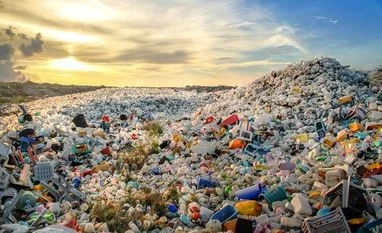 "plastic, waste, environment, plastic pollution")
premium
Photo: Shutterstock
The new Plastic Waste Management Rules, 2022, are marked by the innovative concepts they moot to incentivise compliance of the extended producer responsibility (EPR) for the collection, recycling and safe disposal of discarded plastic material. These norms, significantly, seek to create a market for the sale, purchase and sharing of EPR compliance certificates on the lines of the carbon trading mechanism for mitigating climate change. Simultaneously, provisions have been made, quite appropriately, to penalise lapses in fulfilling the EPR requirements. The underlying objective seems to be to evolve a circular economy in the plastics sector by encouraging recycling, sharing, leasing, trading and safe disposal of the end-of-life plastic materials. However, the success of this initiative would rely largely on how effectively these norms are governed by the Central and State Pollution Control Boards whose past record in plastic waste management is quite uninspiring. It would also require creation of awareness among the plastic sector stakeholders and general public about the need for proper disposal of plastic waste, which, otherwise, could vitiate the environment and pose grave health hazards.