


Delhi model, Punjab's problems
AAP's political platform will face a new reality test
 "Bhagwant Mann")
premium
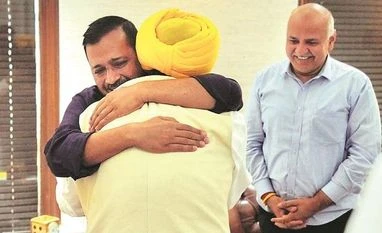
Delhi Chief Minister Arvind Kejriwal hugs AAP’s Punjab chief ministerial candidate Bhagwant Mann after his victory in the Assembly polls, in New Delhi | Photo: PTI
The Aam Aadmi Party’s (AAP’s) sweeping electoral victory in Punjab has set the stage for a new challenge to the secular programme of welfare delivery. The “Delhi model” of quality government schools, the network of “mohalla” or community clinics to provide free or low-cost basic health services to the poor, and the near-free supply of power and water helped AAP parry the formidable challenge of the Bharatiya Janata Party (BJP) to win another term in the Union Territory. AAP’s campaign in Punjab has mirrored this model. AAP leader Arvind Kejriwal’s response has promised Punjab 300 units of free electricity, 100 units more than is given to Delhi’s citizens, to upgrade the state’s schools on the lines of the Delhi institutions, and to set up 16,000 mohalla clinics and Pind Clinics in every village and ward. A health guarantee scheme will deliver free medicines and treatment for surgeries, and accident victims in government hospitals will be treated for free.