


External uncertainties may trigger outflows, Fx rate volatility: RBI
RBI flags risks from global shocks, including a sharp US equity correction, that could spur foreign portfolio outflows and rupee volatility, though it says buffers remain adequate
 "RBI, Reserve Bank of India")
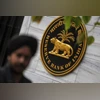
The rupee, which depreciated 4.75 per cent in 2025, reflected falling terms of trade due to the impact of tariffs and a slowdown in capital flows | Image: Bloomberg
Listen to This Article
The Reserve Bank of India (RBI) has cautioned that the country’s economy faces near-term risks largely from external uncertainties, including the possibility of a sharp correction in US equities that could trigger foreign portfolio outflows, heighten exchange rate volatility and tighten domestic financial conditions.
In its Financial Stability Report, December 2025, released on Wednesday, the central bank said that despite these risks, the Indian economy and its financial system have adequate buffers to withstand adverse shocks.
While global financial stability risks remain elevated even as the world economy displays a mix of resilience and fragility, the RBI said India continues to grow at a robust pace, underpinned by strong domestic demand. A sharp moderation in inflation, a commitment to fiscal consolidation and prudent macroeconomic policies are, it added, strengthening the economy’s resilience.
“There are, however, a few near-term risks to the Indian economy despite sound macroeconomic fundamentals and robust growth-inflation dynamics,” the report said.
Among the most prominent of these risks are external uncertainties, further escalation in geopolitical and trade tensions, and widening geoeconomic fragmentation.
Also Read

 "RBI, Reserve Bank of India")
 "Reserve Bank of India, RBI")
 "Reserve Bank of India, RBI")
 "The ATM interchange conundrum")
 "Indian Economy, GDP Growth")
These risks could lead to greater exchange rate volatility, weaker trade, lower corporate earnings and subdued foreign direct investment, the report said.
“From a financial stability perspective, a sudden and sharp correction in the United States (US) equity market could cause a correction in domestic equities, affect investor confidence and wealth, trigger foreign portfolio outflows and tighten domestic financial conditions,” it said.
At the same time, the RBI noted that strong domestic growth drivers, sizeable foreign exchange reserves, and adequate capital and liquidity buffers across the financial system and corporate sector should help the economy withstand adverse shocks.
The report struck an optimistic tone on India’s growth outlook, which it said remains positive, supported by low inflation, easy financial conditions, an above-normal monsoon, direct and indirect tax reforms, and the continued expansion of digital public infrastructure.
“External sector stability has been a key pillar of India’s overall macroeconomic stability. Despite a sequence of formidable external headwinds, the external sector has remained resilient,” the report said.
Even though the current account deficit widened to 1.3 per cent of GDP in the second quarter of FY26 from 0.3 per cent in the previous quarter, it remains eminently manageable, with buoyant services exports and inward remittances expected to offset a widening merchandise trade deficit. Foreign exchange reserves of $693.3 billion as on December 19, 2025, are sufficient to cover around 11 months of actual merchandise imports on a balance-of-payments basis.
The rupee, which depreciated by 4.75 per cent in 2025, reflected a deterioration in terms of trade due to the impact of tariffs and a slowdown in capital flows.
“With the effective US tariff rate on India being the highest compared to its trading partners, the INR depreciated despite the broad weakening of the USD against other major and Asian currencies. The exchange market pressure index indicates rising depreciation pressure on the INR,” the report noted.
More From This Section
 "Insurance, Insurance sector")
 "Stablecoins")
 "Reserve Bank of India, RBI")
 "FDI")
Topics : RBI Financial Stability Report Forex reserves
Don't miss the most important news and views of the day. Get them on our Telegram channel
First Published: Dec 31 2025 | 8:18 PM IST