


'Kissing-bug' parasite spreads in the US, raising risk of Chagas disease
The triatomine bug, also known as the kissing bug, is driving the spread of Chagas disease across the US, with doctors calling for better testing and prevention efforts
 "Kissing bugs, triatomine bug")
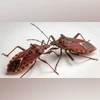
Triatomine bug or the “kissing bug,” the carrier of Chagas disease, has been found in 32 US states. (Photo: Adobestock)
Listen to This Article
Once seen as a problem confined to Latin America, the Chagas disease is now turning into a health concern in the United States. The Centers for Disease Control and Prevention (CDC) confirmed that the insect, known as the triatomine bug, has now been identified in 32 states in the US, raising alarm over its potential impact on both humans and animals.
The CDC has urged that Chagas disease be officially recognised as “endemic” in the United States, reflecting its growing presence.
Human cases have been confirmed in Arizona, Texas, Louisiana, Missouri, Mississippi, Arkansas, Tennessee and California. Infections in animals have been recorded in states including New Mexico, Oklahoma, Alabama, Florida, Georgia, Nebraska, South Carolina, North Carolina, Kentucky, Virginia and Maryland.
The CDC, citing University of California Health (UCLAH), estimates that more than 300,000 people across the country may be living with Chagas disease, including around 45,000 in Los Angeles County alone. Worryingly, fewer than 2 per cent of those affected are aware that they carry the parasite.
Judith Currier, MD, chief of infectious diseases at UCLA Health, stressed the danger of undiagnosed cases. “Most people living with Chagas disease are unaware of their diagnosis, often until it’s too late to have effective treatment,” she said.
Also Read

 "Mpox")
 "Mental health")
 "Russia cancer vaccine, EnteroMix cancer shot,")
 "Phone, social media, mobile phones")
 "patient, cancer, hospital, chemo")
The World Health Organization (WHO) estimates that over seven million people globally are living with Trypanosoma cruzi infection, the parasite responsible for Chagas disease. The illness claims more than 10,000 lives annually. While cases are now reported worldwide, the disease remains most common in 21 continental Latin American countries, where the presence of the kissing bug continues to drive transmission.
How the disease is transmitted
Chagas disease is caused by the parasite ‘Trypanosoma cruzi’, which the kissing bug carries in its gut. The insect typically bites near the face when a person is asleep, leaving behind faeces that contain the parasite. When the bite is scratched, the parasite can enter through the skin, eyes or mouth.
The parasite can also be transmitted:
- by consumption of food or beverages contaminated with T. cruzi through
- during pregnancy or childbirth
- through blood transfusion
- through transplants of some organs (such as heart or kidney)
- through laboratory accidents.
Fever, fatigue, body aches, headaches and swelling of the eyelid are among the first warning signals.
Phases and long-term risks
- Acute phase (first 2 months): Parasites circulate in the blood. Most people show no symptoms or only mild ones like fever, headache, swollen glands, muscle pain, fatigue, or chest/abdominal pain.
- Chronic phase (decades later): Parasites hide in the heart and digestive muscles.
- Long-term risks: Up to one-third of the infected people may develop serious heart problems such as arrhythmias, heart failure, and sudden death. Around 10 per cent suffer digestive issues such as an enlarged oesophagus or colon, and some develop neurological complications.
Prevention and treatment
Officials recommend practical steps to reduce exposure. Sealing cracks in homes, clearing brush and woodpiles, and reducing outdoor lighting can help keep kissing bugs away. Pet owners are advised to wash animal bedding frequently and vacuum living areas to reduce risk.
Kissing bugs can be identified by their flat, dark bodies marked with orange, red, or yellow stripes and their cone-shaped heads. Experts caution against handling them directly, urging people to use gloves or capture them safely before contacting health authorities.
Early detection through blood tests remains the best protection. Antiparasitic medications such as benznidazole and nifurtimox are most effective when the disease is caught in its initial stages (acute phase). The effectiveness of medicines decreases the longer someone has been infected. Many patients need lifelong monitoring and specific treatment for heart, digestive, or neurological complications.
For more health updates, follow #HealthwithBS
More From This Section
 "insulin, Diabetes, Type 2 Diabetes, Pharma sector, healthcare")
 "Cipla")
 "Glenmark Pharma, AbbVie, ISB-2001, licensing deal, oncology, multiple myeloma, cancer, royalties, EBITDA growth, milestone payments")
 "artificial sweeteners")
 "Women")
Don't miss the most important news and views of the day. Get them on our Telegram channel
First Published: Sep 08 2025 | 2:16 PM IST