


Is your child's screen time damaging their vision? Experts weigh in
From online classes to gaming, children are spending more time on screens and less outdoors, and experts say their eyesight is paying the price
 "screen time, children eye health")
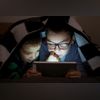
Increasing screen time and reduced outdoor activity are contributing to rising vision problems among children. (Photo: Freepik)
Listen to This Article
Screens have quietly become part of childhood. From online classes to gaming and short videos, children are spending more time indoors and on devices than ever before. While technology brings new learnings, doctors are warning that prolonged screen time may be impacting how children’s eyes develop.
Eye doctors say they are noticing more children coming in with vision problems. According to them, this is happening because kids are spending more time on close-up work like screens and less time playing outdoors.
What vision problems are rising among children today?
“Prolonged screen exposure in children is increasingly linked to a range of vision issues,” said Dr Shubhnav Jain, consultant - ophthalmology at Ck Birla Hospitals, Jaipur. “Clinically, we are observing a rise in myopia, digital eye strain, dry eye symptoms, and even intermittent squinting in children who spend long hours on devices.”
Dr Aditi Sapovadia, paediatric ophthalmologist & squint surgeon at Netradeep Maxivision Super Speciality Eye Hospitals, explained that prolonged close-up activities and digital exposure are associated with myopia or short-sightedness, digital eye strain and dry eye disease. Digital eye strain, which is marked by headaches, blurred vision and eye fatigue, affects up to 50 to 60 per cent of digital users.
Sapovadia said that blink rates drop significantly during screen use, from about 15 blinks per minute to as low as five to seven, and this contributes to evaporative dry eye. In children who already have latent eye alignment issues, sustained near focus can even trigger intermittent squint.
Also Read

 "Modi Macron")
 "oil shipment, crude oil, oil export")
 "Ashwini Vaishnaw")
 "mental health, singlehood, peace")
 "ashwini vaishnaw, india ai impact summit")
“Prolonged screen time puts school-age children at a higher risk of ocular digital stress like increased incidence of myopia or near-sightedness, rapid progression of myopia, squint, and dry eye disease,” said Dr Deepti Joshi, consultant with the Department of Paediatric Ophthalmology and Strabismus at MM Joshi Eye Institute, Karnataka.
Why excessive screen time worsens eyesight
Experts say the impact is both biological and behavioural.
When children focus on near objects for long periods, the eye experiences what is known as peripheral hyperopic defocus, and this sends a retinal signal that can stimulate axial elongation of the eyeball. Over time, this structural change leads to permanent myopia.
Outdoor light has a protective role because it stimulates the release of retinal dopamine, which acts as a brake on excessive eye growth. Studies show that at least two hours of daily outdoor exposure significantly reduces the risk of developing myopia.
User behaviour also plays a role because spending long periods looking at things very close to the eyes, especially closer than 30 centimetres, puts extra strain on the eye muscles. This may cause accommodative spasm and temporary blurred distance vision. Extended gaming further reduces blinking while encouraging fixed near focus.
Dr Jain noted that excessive screen use strains the ciliary muscles and limits exposure to natural light, which together accelerate myopic progression.
Current evidence does not show that blue light directly causes myopia, although it may disrupt sleep cycles and cause visual fatigue. However, Dr Joshi cautioned that screen-emitted blue light poses a dual threat of damaging the retina due to free radicals and affecting overall health by suppressing melatonin and disturbing sleep.
What is driving high screen use among children?
Doctors agree that the surge in screen time is due to multiple factors.
- Online classes have require children to focus on a screen at the same distance for long periods of time
- Gaming and short-form social media are designed to encourage sustained engagement, which reduces natural visual breaks
- Parental habits influence children because household norms shape behaviour
- Reduced outdoor play means children miss out on protective bright-light exposure
- Entertainment platforms are engineered with rapid visual stimuli and reward loops, making it harder to disengage
Warning signs parents should not ignore
Parents should watch for
- Squinting
- Sitting too close to screens
- Frequent eye rubbing
- Headaches
- Blurred vision or one eye drifting outward
Annual eye examinations with cycloplegic refraction are recommended for school-aged children.
Practical steps to protect children’s eye health
While there is no universally safe screen-time limit, broad guidelines suggest:
- Under two years: Avoid screens completely if possible
- Two to five years: Limit to one hour daily under supervision
- Six years and above: Set consistent limits and prioritise sleep and outdoor activity
Doctors stress that the goal is not to eliminate technology but to structure its use.
- Structure screen time don’t just limit it - Break long sessions into 30 to 40 minute blocks and encourage short visual breaks
- Follow the 20–20–20 rule - Every 20 minutes look 20 feet away for 20 seconds
- Protect working distance - Maintain at least 30 to 40 cm from phones and 50 to 60 cm from computers
- Prioritise outdoor exposure - Aim for at least two hours daily
- Optimise ergonomics - Keep screens at eye level or slightly below with good lighting
- Avoid screens one hour before sleep to protect circadian rhythm
- Schedule annual eye examinations
- Model healthy habits because children mirror adult behaviour
“Instilling healthy screen habits early on is the key to safeguarding children's eye health,” said Dr Joshi. And while screens are here to stay, balanced use combined with outdoor play may be the simplest way to protect young eyes for the future.
For more health updates, follow #HealthwithBS
This report is for informational purposes only and is not a substitute for professional medical advice.
More From This Section
 "catamenial epilepsy")
 "Couples, love, people, health")
 "India AI Impact Summit 2026, Bharat Mandapam")
 "India AI Summit 2026")
 "solar eclipse myths")
Don't miss the most important news and views of the day. Get them on our Telegram channel
First Published: Feb 17 2026 | 4:40 PM IST