


Delhi's air drove 200,000 respiratory illness cases in 3 yrs: Govt data
Growing number of respiratory cases in Delhi hospitals underscores how prolonged exposure to polluted air is stretching healthcare systems and putting vulnerable groups at risk
 "Air pollution numbers govt")
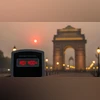
Severe air pollution pushes Delhi’s Air Quality Index into the hazardous range, worsening respiratory health risks. (Photo: Adobestock)
Listen to This Article
Delhi’s air pollution crisis is no longer just an environmental concern. It is now a sustained public health emergency playing out daily in hospital wards and outpatient departments. Fresh data placed before Parliament shows that hospitals in the national capital treated over 200,000 patients for acute respiratory illnesses between 2022 and 2024, underscoring the scale of damage caused by toxic air.
As winter sets in and pollution levels spike once again, doctors warn that the numbers only tell part of the story. Behind each statistic is a patient struggling to breathe, a child missing school, or an elderly person pushed into hospital care by air they cannot escape.
What the data reveals
Official figures shared by Minister of State for Health Prataprao Jadhav, in response to a question by Rajya Sabha MP Dr Vikramjit Singh Sahney, show the scale of Delhi’s pollution-linked health burden. Over a three-year period, hospitals in the capital recorded more than 200,000 respiratory illness cases severe enough to require medical attention.
Data from six major Delhi hospitals indicates that around 67,000 acute respiratory cases were reported in 2022, rising to nearly 69,000 in 2023, before remaining high at about 68,000 cases in 2024. Hospital admissions also climbed during this period, increasing from 9,878 to 10,819, reflecting the severity of cases presenting at emergency departments.
Hospitals in Mumbai and Chennai also reported thousands of respiratory patients during peak pollution days, pointing to a wider urban health impact beyond the capital.
Also Read

 "Nitin Gadkari, Nitin, Gadkari")
 "Supreme Court, SC")
 "Nepal Protest")
 "US visa, US immigration, green card")
 "Pollution, Gurugram Pollution")
National research backs this trend. The five-city study by the Indian Council of Medical Research (ICMR) involving over 33,000 emergency room patients found that higher air pollution levels were associated with a rise in respiratory-related emergency visits, though the study did not establish a direct causal link.
Doctors say these spikes are most pronounced during winter, when low wind speeds, falling temperatures and temperature inversion trap pollutants near the ground, pushing the Air Quality Index into the “very poor” or “severe” range for prolonged periods.
Hospitals under seasonal pressure
“Every year, as winter approaches, we experience a change in season accompanied by a sharp rise in air pollution levels,” says Dr Vikas Mittal, director and pulmonologist at CK Birla Hospital, Delhi. “The cooler temperatures and stagnant air cause pollutants present throughout the year to become concentrated, with AQI remaining in the poor or severe category on most winter days.”
High concentrations of PM2.5 and PM10 particles inflame the airways and penetrate deep into the lungs, aggravating existing disease and triggering new symptoms even in otherwise healthy people.
Dr Mittal explains, “Air pollution triggers inflammation in the airways, worsening already compromised conditions and making it difficult for patients to manage with their regular medications.”
When AQI levels cross 400, even healthy individuals may develop throat irritation, fatigue, upper respiratory infections and eye problems. For those with weak heart function, pollution can tip the balance towards heart failure, while respiratory patients experience frequent flare-ups.
Children at heightened risk
The impact on children has become an increasing concern. Dr Medha, paediatrician at Madhukar Rainbow Children’s Hospital, says the current pollution levels pose a serious threat to young lungs.
“Their developing immune systems make them more vulnerable than adults,” she says. “In recent weeks, we have seen a sharp rise in persistent cough, wheezing, allergic rhinitis, bronchitis and even asthma attacks among children,” she adds.
Beyond immediate illness, prolonged exposure can have lasting consequences. Dr Medha warns that long-term pollution exposure can impair lung growth, increase the risk of chronic respiratory disease and affect concentration and school performance.
“Parents must take preventive steps, but the real solution lies in collective action to cut emissions so every child can breathe clean air,” she says.
Early warning signs often ignored
ENT specialists are also seeing a rise in early symptoms that many people dismiss. Dr Jafferhusein Sura, consultant ENT surgeon at Saifee Hospital, Mumbai, notes an “obvious spurt" in throat irritation and respiratory illnesses during poor-AQI days.
“Persistent throat irritation is one of the earliest red flags people tend to overlook,” he says. Fine particulate pollutants from construction, road dust and vehicular emissions are powerful irritants, with children, asthmatics and those with chronic sinus conditions at greater risk.
Simple measures such as saline nasal rinses, indoor activities during peak pollution hours and consistent use of preventive medication can reduce exposure and prevent complications.
Pollution’s hidden toll on the heart
Air pollution does not stop at the lungs. Dr Vikash Goyal, senior cardiologist at Paras Health, Gurugram, explains that polluted air has a direct and often underestimated impact on heart health.
“When microscopic particles enter the bloodstream, they trigger inflammation that stiffens and narrows blood vessels,” he says. This forces the heart to work harder and reduces oxygen supply to vital organs. During winter, cold temperatures and trapped pollutants also raise blood pressure and thicken the blood, increasing the risk of chest pain, breathlessness and cardiac events.
“Protecting yourself from polluted air is not just about the lungs,” Dr Goyal adds. “It is about safeguarding the entire cardiovascular system.”
What you can do now
Doctors advise vulnerable groups to remain indoors during high-pollution hours, monitor AQI levels, use air purifiers at home and wear N95 or N99 masks when stepping outside. Early morning walks, often considered healthy, should be avoided on severe pollution days.
While these steps offer short-term protection, experts agree they are not a substitute for sustained policy action. The 200,000 hospital cases recorded in three years are a stark reminder that without cleaner air, Delhi’s hospitals will continue to bear the burden of a crisis that is both preventable and growing.
For more health updates, follow #HealthwithBS
This report is for informational purposes only and is not a substitute for professional medical advice.
More From This Section
 "heart disease young adults India")
 "Ozempic India launch")
 "Ozempic India launch")
 "neck and back pain winter")
 "Protein myths")
Topics : Health with BS BS Web Reports air pollution in India air pollution heart health Delhi winter lung condition
Don't miss the most important news and views of the day. Get them on our Telegram channel
First Published: Dec 15 2025 | 3:29 PM IST