


Can drinking more water really protect your kidneys or is it a health myth?
From kidney stones to chronic kidney disease, hydration helps-but only to a point. Doctors explain when water protects kidney health, when it doesn't, and why 'more' isn't always better
 "Drinking water")
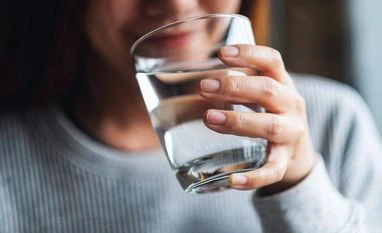
A simple glass of water may support kidney health, but experts caution against one-size-fits-all hydration rules. (Photo: AdobeStock)
Listen to This Article
Ever been told to “drink more water, it’s good for your kidneys”? But is hydration really that powerful, or has it become another wellness slogan?
According to Dr Hardik Patel, Consultant Nephrologist, Manipal Hospital Goa, water is more than a thirst-quencher. Your kidneys filter waste, balance minerals like sodium and potassium, and produce urine. When you’re well hydrated, this filtration system works smoothly; urine is more diluted, and waste leaves the body more easily.
Some long-term studies even show that people who drink more plain water experience a slower decline in kidney function over the years. But it comes with a key caution that scientists are still waiting for strong clinical trials to prove a specific protective amount.
Why do hydration needs vary so much between people?
Someone living in humid Mumbai, a senior citizen with reduced thirst, and a construction worker in 40 degrees Celsius desert heat do not share the same water needs.
Does drinking more water help people with kidney disease?
Dr Patel explains that if chronic kidney disease is driven by diabetes or high blood pressure, then controlling those conditions does far more for the kidneys than simply drinking extra water. Lowering salt intake, maintaining healthy blood pressure, managing blood sugar, and reducing protein leakage in urine remain the real lifesavers.
Also Read

 "chronic pain and high blood pressure connection")
 "vitamin k health benefits")
 "Nayanthara")
 "depression, low sunlight, mental health")
 "protein fortified snacks")
Is the famous ‘8 glasses of water a day’ rule actually true?
“Not really,” says Dr Patel on "8 glasses of water a day" rule. It is catchy, but not evidence-based.
A better approach is to listen to your body. Thirst is a reliable signal for most healthy people. Monitoring urine colour is another simple tool:
- Pale yellow or straw-coloured urine indicates well hydrated.
- Dark yellow and strong-smelling indicates likely dehydrated.
Daily urine output typically ranges between 800 ml and 2,000 ml, but illness, heat, pregnancy, breastfeeding, strenuous exercise, and even spicy food can change fluid needs. Drink more when life demands it, not because a poster told you so.
Does drinking more water prevent kidney stones or UTIs?
Dr Patel stresses that hydration is highly effective in preventing kidney stones. Producing 2–2.5 litres of urine a day dilutes minerals that form stones, significantly lowering recurrence rates.
Drinking more water also helps reduce urinary tract infections in women, especially those who usually drink very little.
Can drinking too much water harm you?
“Yes. The idea that “more is always better” doesn’t apply to hydration,” says Dr Patel.
Drinking far beyond thirst can dilute blood sodium and lead to hyponatraemia, a potentially dangerous condition, he said. For people with:
- heart failure
- advanced chronic kidney disease
- liver cirrhosis
- endocrine disorders like SIADH (Syndrome of Inappropriate Antidiuretic Hormone Secretion)
excess fluid can worsen swelling, blood pressure, and breathing. In these situations, doctors often prescribe fluid restriction as a treatment, not a punishment.
Do tea, coffee, sodas and electrolyte drinks count as hydration?
Plain water remains the champion. It’s inexpensive, kidney-friendly, and reliable.
Tea and coffee count toward fluid intake, though caffeine may raise blood pressure slightly in some people.
Electrolyte drinks help when sweating heavily but aren’t necessary for most daily hydration.
Sugary sodas and energy drinks raise the risk of kidney stones and metabolic disease, so best kept occasional.
So, should you drink more water for kidney health?
Here’s what Dr Patel says:
- Hydration helps kidneys function normally.
- It protects against kidney stones and may reduce UTIs.
- It does not override the impact of diabetes, hypertension, or genetics.
- Overhydration can be harmful, especially in certain medical conditions.
- Thirst and urine colour are practical guides for most healthy people.
Dr Patel expressed the concern that public health messages rarely highlight these nuances, and so people assume drinking lots of water is always healthy, which is not true.
For more health updates, follow #HealthWithBS
This content is for informational purposes only and is not a substitute for professional medical advice.
More From This Section
 "keto diet")
 "jaggery")
 "National Epilepsy Day")
 "ultra-processed foods")
 "sitting too long blood sugar, diabetes risk sitting, sedentary lifestyle")
Topics : Health with BS BS Web Reports Health Ministry health news Dehydration Drinking water in India Kidney diseases
Don't miss the most important news and views of the day. Get them on our Telegram channel
First Published: Nov 18 2025 | 3:44 PM IST