


Not drinking enough water? Your body may overreact to stress, study shows
Drinking too little water doesn't just cause thirst-it could heighten how your body reacts to stress, with links to higher cortisol, heart risk, and mood disorders
 "Drink water")
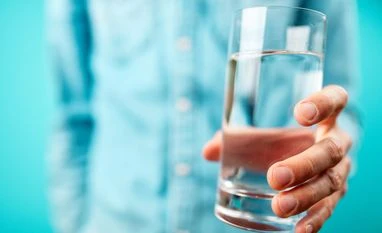
Staying hydrated may help the body cope better with daily stress, finds study. (Photo: AdobeStock)
Listen to This Article
Not drinking enough water may be doing more than just leaving you thirsty. A new study finds that inadequate fluid intake could significantly increase the way your body reacts to stress — raising the risk of serious health issues.
A study titled Habitual fluid intake and hydration status influence cortisol reactivity to acute psychosocial stress, published recently in the Journal of Applied Physiology, found that adults consuming less than 1.5 litres of fluid a day showed over a 50 per cent higher cortisol response in stressful situations compared to those meeting recommended hydration guidelines.
Researchers from Liverpool John Moores University have warned that elevated cortisol levels are associated with higher risks of heart disease, diabetes and depression, reinforcing the importance of staying hydrated for long-term health.
What did the study reveal about hydration and stress?
The research team divided 32 healthy young adults into two groups:
- 16 'low fluid' drinkers (under 1.5 litres/day)
- 16 'high fluid' drinkers (meeting daily recommendations)
Both groups were subjected to the Trier Social Stress Test, which mimics real-life stress through mock job interviews and mental arithmetic.
Also Read

 "heart attack risk, morning routine")
 "Serena Williams")
 "Rujuta Diwekar health tips, Soha Ali Khan podcast")
 "Malaika Arora, Soha Ali Khan podcast")
 "Behind every workplace romance lies a balance of emotional gains and risks, say experts. (Photo: AdobeStock)")
While both sets of participants felt equally anxious and experienced similar heart rate spikes, only the low-fluid group showed a sharp rise in cortisol, indicating that dehydration heightens biological stress reactions — even if perceived stress is similar. ALSO READ: At 51, Malaika Arora swears by ghee, home food and daily discipline
Why does dehydration worsen your stress response?
According to the researchers, dehydration triggers vasopressin, a hormone that helps the body retain water. However, vasopressin also activates the brain’s stress centres, prompting the release of excess cortisol — the body’s primary stress hormone.
Being under-hydrated doesn’t just affect physical wellbeing. It primes the body to overreact to stress, potentially burdening the cardiovascular system, metabolic health and emotional regulation.
How much water should you drink daily?
Public health guidelines suggest:
- Women: about 2 litres (8 cups) per day
- Men: about 2.5 litres (10 cups) per day
Fluids don’t need to come only from water. Hydrating beverages like tea, coffee (in moderation), and water-rich foods such as fruits and soups also contribute to overall intake.
How can you check your hydration status?
One of the easiest checks is the colour of your urine:
- Light yellow: Well hydrated
- Darker shades: Likely dehydrated
Interestingly, researchers noted that low-fluid participants did not necessarily feel thirstier but had consistently more concentrated urine. This shows that thirst is not always a reliable indicator of hydration.
Can drinking water really reduce stress?
While hydration won’t eliminate workplace stress or traffic anxiety, it helps the body cope more effectively with everyday challenges.
As Dr Daniel Kashi, co-author of the study, noted on the university’s website, keeping a water bottle handy, especially on stressful days, could be a simple step toward protecting long-term health.
If stress seems like a daily visitor, it may be worth starting with your water glass. Staying hydrated could be one of the most accessible and overlooked tools for building resilience.
For more health updates, follow #HealthWithBS
This content is for informational purposes only and is not a substitute for professional medical advice.
More From This Section
 "Doctor, Medicine, Medical")
 "pregnancy")
 "walking")
 "ADHD medication")
Topics : Health with BS BS Web Reports health news Health Ministry Dehydration Stress Drinking water
Don't miss the most important news and views of the day. Get them on our Telegram channel
First Published: Aug 25 2025 | 2:17 PM IST