


No fuel for vehicles without valid PUCC from Dec 18 as Delhi tightens curbs
From Thursday, vehicles without a valid PUC certificate will not get fuel at petrol pumps in Delhi, as the government steps up action to curb pollution amid worsening air quality
 "Pollution, Gurugram Pollution")
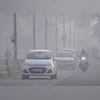
As many as 13 pollution hotspots have been identified across the city, and concerned agencies have been asked to address them. (Photo:PTI)


Listen to This Article
Vehicles that do not have a valid Pollution Under Control (PUC) certificate will not be allowed to refuel at petrol pumps in Delhi from Thursday, Environment Minister Manjinder Singh Sirsa said on Tuesday.
He said that vehicle owners have been given a one-day window to follow the rule. “After tomorrow, vehicles that do not have a valid PUC certificate will not be provided fuel,” he said.
Sirsa said that Delhi’s air quality remained better for nearly eight months this year compared to the same period last year. While admitting that pollution levels have worsened in recent days, he claimed the overall situation is still improving due to efforts by the present government over the past 10 months.
Steps taken to reduce pollution
On government measures, Sirsa said action is being taken daily to curb pollution. He said the height of garbage mountains has been reduced by 15 metres, and around 45 acres of land have been cleaned and reclaimed.
The Delhi Pollution Control Committee (DPCC) has installed over 2,000 pollution-monitoring plants so far, he added.
Also Read

 "Labourers,Labourer")
 "blood pressure in winter")
 "classroom, class, school")
 "Vedanta")
 "Saurabh and Gaurav Luthra")
Sirsa also said that biomethanation plants contribute to pollution, and heaters have been provided to reduce emissions and ensure cleaner operations. He further said that strict action is being taken against polluting vehicles, with challans being issued for PUC violations.
He added that 13 pollution hotspots have been identified across the city, and concerned agencies have been asked to address them. He claimed that AQI levels at these locations are lower this year than in the past decade, barring the Covid-19 period, calling it a major achievement.
He also said the government is promoting cleaner public transport and plans to deploy 7,500 electric buses in Delhi, which would significantly cut vehicular pollution. A scientific committee has been formed and has already met to suggest effective pollution-control measures.
Delhi air quality shows slight improvement
Delhi recorded a marginal improvement in air quality on Tuesday morning. Data from the Central Pollution Control Board (CPCB) showed an average Air Quality Index (AQI) of 377 at 8 am, placing it in the ‘very poor’ category. This was slightly better than Monday, when the AQI touched 427 in the ‘severe’ category around 4 pm.
On Monday, most monitoring stations had reported ‘severe’ air quality, with some touching the maximum AQI level of 500. On Tuesday, out of 39 CPCB stations, ten were still in the ‘severe’ category, two recorded ‘poor’ air quality, and 27 remained in the ‘very poor’ range. Anand Vihar continued to be among the worst-hit areas, recording an AQI of 406.
CAQM reviews vehicular pollution
With vehicular emissions rising, the Commission for Air Quality Management (CAQM) on Monday held the first meeting of its Expert Committee for Delhi-NCR and neighbouring areas. The committee, chaired by Ashok Jhunjhunwala and co-chaired by Prof Randeep Guleria, discussed vehicle-wise emission levels, health risks, and the preparedness of electric vehicle infrastructure.
(With agency inputs)
More From This Section
 "Supreme Court")
 "Nitish Kumar, Nitish")
 "Lionel Messi in India")
 "Priyanka Gandhi Vadra")

Topics : Air Quality Index Delhi Pollution Delhi air quality air pollution Hindustan Petroleum Corporation Petrol pumps BS Web Reports
Don't miss the most important news and views of the day. Get them on our Telegram channel
First Published: Dec 16 2025 | 4:37 PM IST