


Explained: Why Bombay HC acquitted all 12 in 2006 Mumbai train blasts case
On July 11, 2006, seven blasts tore through Mumbai local trains, killing 187 people. 19 years later, Bombay High Court acquits all 12 accused, citing 'lack of credible evidence'
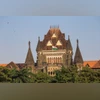 "Bombay High Court")
The Bombay High Court cited major gaps in the evidence presented. (Photo/ Shutterstock)
Listen to This Article
The Bombay High Court on Monday acquitted all 12 people convicted in the 2006 serial train blasts case - 19 years after one of the deadliest terror attacks in Mumbai.
A special Bench of Justices Anil Kilor and Shyam Chandak of the Bombay High Court said the prosecution had "utterly failed" to prove the charges against the accused. The judges said that it was “hard to believe” the accused were involved in the crime. The court quashed the 2015 convictions, including five death sentences and seven life imprisonments.
“The prosecution has utterly failed to prove the case against the accused. It is hard to believe that the accused committed the crime. Hence their conviction is quashed and set aside,” the court observed.
Why was the evidence found unreliable?
The high court cited major gaps in the evidence presented:
Also Read

 "Bombay High Court")
 "Supreme Court")
 "Uber, EV charging, Electric vehicle, charger")
 "gavel law cases")
 "Supreme Court, SC")
-The prosecution failed to bring on record the type of bombs used
-Witness statements were not credible
-Recoveries made from the accused lacked evidentiary value
-Identification parades were deemed invalid as they were conducted by unauthorised officers
"The evidence is not safe to rely on and the defence has succeeded in shattering the same," the Bench said.
Were there issues with witness testimonies?
The high court rejected several witness accounts. These included taxi drivers who allegedly drove the accused, people who claimed to have seen bombs being planted or assembled, and those who spoke of the conspiracy.
"The witness statements are not credible or trustworthy and conclusive to convict the accused," the court said.
The Bench also noted that identification parades were conducted four months after the blasts, and court identification happened four years later — making the witnesses’ memory questionable.
What did the court say about confessional statements?
The court dismissed the confessions of some accused, saying they were incomplete and potentially extracted through torture.
"The confessional statements are found to be incomplete and not truthful as some parts are a copy-paste of each other. The accused persons have proved their case that torture was inflicted at the time," the judges stated.
What happens to the accused now?
The court ordered the immediate release of the accused, unless they are wanted in any other case. One of the 12 accused, Kamal Ahmed Ansari, died in custody in 2021 while his appeal was pending.
Who were the 12 accused acquitted by the HC?
The prosecution had claimed that all 12 were members of the banned group Students’ Islamic Movement of India (SIMI). Here's a breakdown:
Death row convicts (now acquitted):
1. Kamal Ansari (died in 2021) – Accused of planting the Matunga bomb
2. Mohammed Faisal Rahman Shaikh – Alleged key conspirator and bomb assembler
3. Ehtesham Siddiqui – Accused of conducting reconnaissance and planting the Mira-Bhayandar bomb
4. Naveed Hussain Khan Rasheed – Alleged to have assembled and planted a bomb at Bandra
5. Asif Khan Bashir Khan – Civil engineer accused of assembling and planting a bomb at Borivali
Life convicts (now acquitted):
1. Tanveer Ahmed Mohammed Ibrahim Ansari – Accused of conducting reconnaissance and attending terror camps
2. Mohammed Majid Mohammed Shafi – Allegedly managed hawala funds for the attack
3. Shaikh Mohammed Ali Alam Shaikh – Accused of assembling bombs with the help of Pakistanis
4. Mohammed Sajid Margub Ansari – Allegedly procured timers and harboured Pakistani nationals
5. Muzammil Ataur Rahman Shaikh – Software engineer accused of conducting reconnaissance
6. Suhail Mehmood Shaikh – Accused of arms training and conducting reconnaissance
7. Zameer Ahmed Latiur Rehman Shaikh – Alleged to have attended conspiracy meetings
One other accused, Wahid Shaikh, was acquitted by the trial court in 2015.
What is the timeline of the case?
July 11, 2006: Seven blasts ripped through Mumbai local trains, killing 187 and injuring over 800
2006: Maharashtra anti-terrorism squad (ATS) arrested 13 people; charges filed against 30, including 13 Pakistani nationals
2015: Special court convicts 12, sentences five to death and seven to life
2015-2024: Appeals heard in the Bombay High Court
July 15, 2024: Special bBench begins day-to-day hearings
January 31, 2025: Hearing concludes
July 21, 2025: All 12 accused acquitted by high court
(With agency inputs)
More From This Section
 "Gold Bar")
 "Civil Aviation Minister K Rammohan Naidu")
 "Tejasvi Surya")
 "Parliament, New Parliament")
 "Parliament, New Parliament, Lok sabha, Rajya sabha")
Don't miss the most important news and views of the day. Get them on our Telegram channel
First Published: Jul 21 2025 | 3:13 PM IST