


Cabinet nod to livestock disease control programme with Rs 3,880 cr outlay
The scheme aims to improve the animal health sector by implementing prophylactic vaccination programmes against various diseases of livestock and poultry
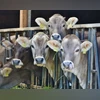 "Livestock, cows")
File image of cows | Photo: Pexels


Listen to This Article
The Union Cabinet on Wednesday approved the revision of the Livestock Health and Disease Control Programme (LHDCP), with an outlay of ₹3,880 crore for two years. The scheme aims to improve the animal health sector by implementing prophylactic vaccination programmes against various diseases of livestock and poultry, capacity building, disease surveillance, and strengthening the veterinary infrastructure.
The scheme has three components, namely the National Animal Disease Control Programme (NADCP), LH&DC and Pashu Aushadhi. The Pashu Aushadhi is a new component added to the LHDCP scheme. The total outlay of the scheme is Rs 3,880 crore for two years, i.e., 2024-25 and 2025-26.
The programme also has three sub-components, namely: Critical Animal Disease Control Programme (CADCP), Establishment and Strengthening of Existing Veterinary Hospitals and Dispensaries - Mobile Veterinary Unit (ESVHD-MVU) and Assistance to States for Control of Animal Diseases (ASCAD).
The scheme also has a provision of ₹75 crore to provide good quality and affordable generic veterinary medicine and incentive for sale of medicines under Pashu Aushadhi component. This is included in the total outlay of Rs 3,880 crore for the scheme.
How will LHDCP help in improving livestock health?
According to a press release, the productivity of the livestock is adversely impacted due to diseases like Foot and Mouth Disease (FMD), Brucellosis, Peste des Petits Ruminants (PPR), Cerebrospinal Fluid (CSF), Lumpy Skin Disease, etc.
Implementation of the LHDCP will prove beneficial in reducing these losses by preventing diseases through immunisation. The scheme also supports door-step delivery of livestock health care through the subcomponents of Mobile Veterinary Units (ESVHD-MVU) and improving availability of generic veterinary medicine- Pashu Aushadhi through a network of PM-Kisan Samriddhi Kendra and Cooperative Societies.
Also Read

 "ropeway")
 "Ashwini Vaishnaw, Ashwini, Vaishnaw")
 "income tax itr taxation")
 "The Ministry for Skill Development has completed talks with stakeholders on the government scheme announced in the FY25 Budget to upgrade 1,000 Industrial Training Institutes (ITIs) and is drafting guidelines before seeking Cabinet approval, a senior")
 "As ethanol emerges as a source of alternative revenue for sugar companies due to differential pricing formulas and fixed buying by oil marketing companies, bio-plastics or Polylactic Acid (PLA)-based plastics are also gradually becoming a new avenue")
LHDCP's implementation will also help in preventing and controlling livestock diseases through vaccination, surveillance, and upgradation of healthcare facilities. It will improve productivity, generate employment, encourage entrepreneurship in rural area, and prevent economic losses of farmers due to disease burden.
More From This Section
 "spam calls trai spam fraud")
 "Cars, auto industry")
 "dating app")
 "Modi, Narendra Modi")
 "Tigers")
Don't miss the most important news and views of the day. Get them on our Telegram channel
First Published: Mar 05 2025 | 3:25 PM IST