


Soon, Google will merge ChromeOS and Android platforms: What it means
Google confirms plans to merge Android and ChromeOS into a unified platform, aiming to boost performance, streamline development, and improve cross-device sync
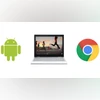 "ChromeOS on Android (Image: Google Android Developers)")
ChromeOS on Android (Image: Google Android Developers)
Listen to This Article
Google has confirmed that it is merging ChromeOS and Android into a single unified platform. This move was first hinted at last year when the company announced plans to shift ChromeOS — the operating system that powers Chromebooks — to run on Android's foundational architecture. Now, Google Android Ecosystem head, Sameer Samat, has offered more clarity on the development in an interview with TechRadar.
Samat stated that Google is “going to be combining ChromeOS and Android into a single platform” to accelerate development cycles and create a more seamless experience across phones and laptops.
Taking to X (formerly Twitter), Samat elaborated on the approach: “We’re building the ChromeOS experience on top of Android’s underlying technology to unlock new levels of performance, iterate faster, and make your laptop and phone work better together.”
Also Read

 "Made by Google")
 "Google Gemini student offer")
 "Google")

 "us pentagon")
ChromeOS to be built on Android: What does it mean?
Back in June 2024, Google announced that ChromeOS would soon be built on Android’s Linux kernel and core frameworks. The move aimed to streamline development, deepen AI integration, and improve compatibility between Android phones and Chromebooks. At the time, however, the company did not go into detail about what this shift would actually mean for users.
Now, with Android ecosystem head Sameer Samat reaffirming the plan in a recent TechRadar interview, the picture is becoming clearer. The biggest takeaway: while the technical underpinnings of ChromeOS are being overhauled, the user interface and overall experience are likely to remain unchanged — for now.
That aligns with what 9To5Google has reported about Chromebook adoption, particularly in education and enterprise segments. Given the platform’s growing reputation in these sectors, a radical redesign would likely be counterproductive. Instead, Google seems focused on modernising the backend while keeping the front-end experience familiar and reliable.
This transition also comes as Android 16 prepares to introduce desktop-style app windowing for tablets and support for external displays, allowing Android devices to function more like desktop computers.
More From This Section
 "Mind Space and AI Search features")
 "algorithm, artificial intelligence, Technology, data security")
 "Garena Free Fire Max")
 "Tech Wrap July 14")
 "Apple iPhone 16e")
Topics : Google BS Decoded Android Google news Decoded
Don't miss the most important news and views of the day. Get them on our Telegram channel
First Published: Jul 15 2025 | 10:56 AM IST