


Japan warns citizens in China to stay vigilant as diplomatic tensions rise
Japan urged citizens in China to stay alert and avoid suspicious activity as tensions spike following PM Sanae Takaichi's Taiwan remarks and Beijing's retaliatory steps
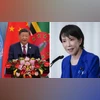 "China, Japan, Taiwan, Sanae Takaichi, Xi Jinping")
Japan’s Prime Minister Sanae Takaichi has sparked a diplomatic storm with China after remarks suggesting Japan could defend Taiwan.
Listen to This Article
Japan on Tuesday urged its citizens in mainland China to take safety precautions as diplomatic tensions between the two countries rise following Prime Minister Sanae Takaichi’s comments on Taiwan.
Posting a message on its website, the Japanese embassy in China said it was repeating “safety measures in light of recent local media coverage concerning Japan–China relations”, South China Morning Post reported.
It further said, “When going out, please remain vigilant of your surroundings, such as the approach of suspicious individuals, and endeavour to ensure your safety as much as possible, for instance by travelling in groups,” adding that those accompanied by children should “take particular care”.
Why are Japan–China relations under strain?
The development comes after Takaichi recently said that Tokyo could militarily intervene in the event of a Taiwan Strait crisis. She added that if force were used in a Taiwan conflict, it would amount to a situation threatening Japan’s survival, a designation that would allow Tokyo to join US forces in military operations.
Following her remarks, Beijing accused her of “meddling” in its internal affairs and demanded a retraction. Condemning her statement, China described the comments as “seriously damaging bilateral ties and challenging post-war international order”.
Also Read

 "China, Japan, Taiwan, Sanae Takaichi, Xi Jinping")
 "Auto Industry small Cars")
 "China, Japan, Taiwan, Sanae Takaichi, Xi Jinping")
 "Japan flag, Japan")
Tokyo has since clarified that Takaichi’s comments were hypothetical and that its stance on Taiwan remains aligned with the position outlined in the 1972 Japan–China Joint Communiqué.
According to the report, Beijing views Taiwan as part of China to be reunited by force if necessary. While most countries, including the United States and Japan, do not recognise Taiwan as an independent state, Washington opposes any attempt to take the island by force and is committed to supplying it with weapons.
What does Japan’s advisory recommend?
The embassy urged its citizens to steer clear of crowded locations and places frequently visited by other Japanese nationals. “If you notice any individuals or groups that seem suspicious in any way, do not approach them and leave the area promptly,” it said, adding that citizens who “feel uneasy” should contact the embassy.
How is Beijing responding to the diplomatic rift?
Following Takaichi’s remarks, China has cancelled a series of exchange events, issued a travel warning for Japan and is reportedly preparing additional retaliatory measures after the Japanese prime minister and her cabinet refused to retract the comment.
On Monday (local time), China’s state broadcaster CCTV reported that at least two popular Japanese films had postponed their release in China.
China has also urged its citizens to avoid travelling to Japan, with major Chinese airlines offering full refunds to those who planned to visit between noon on Saturday and the end of the year. The country’s education ministry has encouraged students planning to study in Japan to reconsider.
Following Beijing's advisories, Tokyo protested with its chief cabinet secretary, Minoru Kihara, saying that China's advice would "hinder bilateral exchange, and diverge from the broader direction agreed by our respective leaders to build constructive and stable ties in line with a strategic and mutually beneficial relationship".
Beijing is a major contributor to Japan’s tourism and education inflows. Until September this year, travellers from mainland China made 7.48 million visits to Japan. As of May last year, more than 123,000 students from China were enrolled in Japanese universities and language schools, making up 36.7 per cent of all international students
More From This Section
 "Vegemite")
 "Vikram Bajaj")
 "Kim Jong, kim, jong, North Korea leader")
 "Jeffrey Epstein")
 "Jeff Bezos")
Topics : Japan China BS Web Reports Taiwan
Don't miss the most important news and views of the day. Get them on our Telegram channel
First Published: Nov 18 2025 | 3:08 PM IST