


The serious business of wines
Wine is still regarded as something consumed by glamorous socialites
 "Wine")
premium
Wine
Last Updated : May 12 2017 | 11:09 PM IST
Do you know how to make a small fortune in wine? Start with a large fortune!” Actually that joke has been going around since the 1950s, and has been variously applied (in the US) to industries as diverse as films, Wall Street, gambling, sports team ownerships, cattle ranches and farming, publishing, restaurants, airlines, and automobiles.
And its not without foundation. Take the case of the liquor and beer tycoon from Bengaluru, who flew too high too long and has now crashed to the ground.
But as someone who has been intimately associated with the wine industry in India for the last 22 years, I can vouch that nowhere is this saying more apt than in wine. Witness the fate of Indage (Champagne India), the pioneer and once leader of the Indian wine industry, as well as many other wineries in Maharashtra.
I get about an inquiry a day from good souls saying that they “have a source” of wine from XYZ country (France/ Italy/ Australia seem to be favourites) and want to know how to import the same. This, of course, points to the fact that the information available online on the subject is woefully inadequate and incomplete, particularly as there are three separate agencies involved with importing alcoholic beverages into India: customs, Food Safety and Standards Authority of India, and the excise department of the state where the item is to be imported.
Note: the inquiries rarely extend to how to do the marketing and distribution of the wines once they are actually imported. Few people know that the retail prices of wines in India are eight to ten times the FOB (free on board) cost due to high duties, taxes, overheads or trade margins, with the importer having to invest in at least nine months’ stock to sustain the market supplies.
The situation with starting a winery is even more dire — it takes three years from planting to get the first decent-quality crop of grapes from a vineyard, and you should plan to spend as much time and money on marketing and distribution as on setting up the vineyard and the winery. The catch is that while one can get term loans and working capital loans for starting production, marketing costs have to come from equity — which few entrepreneurs provide in adequate measure.
Despite all that, there seems to be no dearth of people wanting to invest their money in wine, which I can only put down to the “glam factor”. Wine is still regarded as something consumed by glamorous socialites and the well-travelled, and as a key to a desirable and “upmarket” lifestyle.
On receiving an inquiry, the first thing I do is repeat the joke first quoted. If the protagonist is still talking to me, I know there’s scope to take things further. Else, it would be a waste of time (and money) for all concerned.
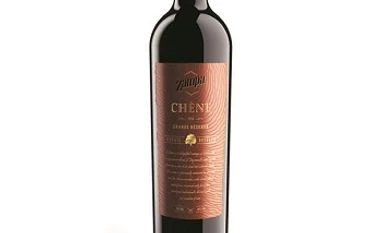
Wines worth checking out: The Grover Zampa Chene Grand Reserve 2014, Tempranillo-Shiraz (Rs 1,850 in Bengaluru) was adjudged the “Best Super Premium Indian Wine” at the India Wine Awards in Mumbai last month. Produced at its winery near Igatpuri in Nashik (Maharashtra), the wine would have spent at least 15 months in French oak casks. It is a full-bodied red with complex aromas of fruit (berries, plums), spice, oak, and chocolate, with soft tannins and a lingering after-taste. Yum!
Alok Chandra is a Bengaluru-based wine consultant