


Rising energy prices spell gains for oil producers
ONGC, Oil India stand to gain, but downstream players may feel the heat
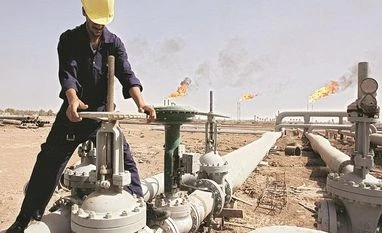 "Oil fields, Oil, LNG")
premium
Rising prices would benefit producers like ONGC and Oil India.
Global energy markets always see some turmoil as the northern winter approaches and demand for fuel oil and gas rises. This year could see bigger spikes than usual because apart from normal seasonal demand, global economic activity may accelerate due to wider vaccination coverage.
Taking the Indian crude basket as a benchmark, crude prices rose from $50 per barrel in December 2020 to $74.2 in August. Gas prices are more seasonally driven. But Asian spot LNG prices (Japan Korea Marker or JKM) are at historical highs and European gas prices rose by 22 per cent in the past week. European gas storage is at a multi-year low and Russian supply may be lower this year, leading to a demand-supply mismatch especially, if the winter is severe.
India is very vulnerable to shifts in global prices. Import dependency will rise, as energy demand correlates to economic growth. Moreover, India is trying to reduce its carbon footprint. In terms of policy, this means, apart from encouraging renewable options, the energy mix will involve far larger gas components in future. This involves the rollout of city gas networks, alongside building national pipeline grids and port terminal capacity for LNG.
Apart from being energy deficient, India’s tax structure is reliant on central and state-level duties on petroleum products and gas. The imposts raised around Rs 4.18 trillion in central levies and Rs 2.2 trillion in state levies in FY21.
There are proposals to move petroleum and gas into the goods and services tax’s ambit while setting revenue-neutral GST rates. It was discussed at Friday’s GST Council meeting but did not find favour.
Taking the Indian crude basket as a benchmark, crude prices rose from $50 per barrel in December 2020 to $74.2 in August. Gas prices are more seasonally driven. But Asian spot LNG prices (Japan Korea Marker or JKM) are at historical highs and European gas prices rose by 22 per cent in the past week. European gas storage is at a multi-year low and Russian supply may be lower this year, leading to a demand-supply mismatch especially, if the winter is severe.
India is very vulnerable to shifts in global prices. Import dependency will rise, as energy demand correlates to economic growth. Moreover, India is trying to reduce its carbon footprint. In terms of policy, this means, apart from encouraging renewable options, the energy mix will involve far larger gas components in future. This involves the rollout of city gas networks, alongside building national pipeline grids and port terminal capacity for LNG.
Apart from being energy deficient, India’s tax structure is reliant on central and state-level duties on petroleum products and gas. The imposts raised around Rs 4.18 trillion in central levies and Rs 2.2 trillion in state levies in FY21.
There are proposals to move petroleum and gas into the goods and services tax’s ambit while setting revenue-neutral GST rates. It was discussed at Friday’s GST Council meeting but did not find favour.
Topics : Oil Prices Oil producers ONGC OIL India LNG price