Crishna is married to Smita Crishna-Godrej who owns one-fifth stakes in the Godrej family assets. Smita’s brother, Jamshyd, runs Godrej & Boyce — the consumer products company of the Godrej group.
Apart from Vijay Crishna, the Godrej Industries board has Adi Godrej, Tanya Dubash, Nadir Godrej and Jamshyd Godrej as directors representing the promoter family. After Crishna’s exit, the Godrej Agrovet board will have Nadir Godrej as chairman and Jamshed Godrej, Tanya Dubash, Nisaba Godrej and Pirojsha Godrej as promoter directors.
While Godrej Industries holds a significant stake in other Godrej group listed companies, various trusts of the Godrej family members also own stakes in the listed entities, data submitted to the stock exchanges show.
Crishna continues to be on the board of the unlisted holding firm, Godrej and Boyce Mfg Co, in which the five senior members of the Godrej family — Adi, Nadir, Jamshed, Smita and their cousin, Rishad — own 15.3 per cent stakes each. The rest of the stakes is owned by Pirojsha Godrej Foundation. According to Godrej family tradition, each family’s stake is equally divided among their children to avoid any disputes in the future.
The family is trying to untangle the huge tracks on land, which is owned by Godrej and Boyce in Mumbai. While Adi and his brother Nadir have appointed veteran lawyer Cyril Shroff as legal advisor, their cousin Jamshed is advised by Zia Mody of AZB and partners. Veteran banker Nimesh Kampani is assisting the Jamshed Godrej family, and Uday Kotak of Kotak Mahindra Bank is advising the Adi Godrej family.
In a statement from both sides, the Godrej group had said the family had been working on a long-term strategic plan for the group for the last few years to ensure best value for its shareholders.


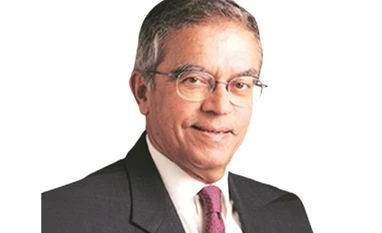 "Vijay Crishna")