


Capitalisation worries for banks to get bigger: Financial stability report
The low valuations of state-run banks also make it difficult for them to tap the market
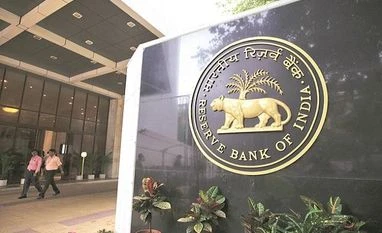 "RBI")
premium
The RBI in its Report on Trend and Progress of Banking in India (T&P: 2019-20) released last month said a few major private banks have taken the lead in raising capital.
The Financial Stability Report of December 2020 has made it crystal clear that capitalisation woes of banks may have just begun, especially for state-run banks.
State-run banks are seen being the worst affected among bank groups, with their gross-non-performing asset (GNPA) ratio expected to increase to 16.2 per cent by September 2021 under the baseline scenario, from 9.7 per cent in September 2020, and to a high of 17.6 per cent in a severe stress scenario. State-run banks are worse off, when compared to a systemic baseline and severe stress GNPA ratios of 13.5 per cent by September 2021 and 14.8 per cent.
In the case of private and foreign banks, the deteriorations are fewer. In the case of private banks, the baseline slippage is to 7.9 per cent, from 4.6 per cent, and a severe stress scenario at 8.8 per cent. For foreign banks, these ratios stand at 5.4 per cent (from 2.5 per cent) and 6.5 per cent.
The low valuations of state-run banks also make it difficult for them to tap the market. Between 2015-16 and 2019-20 (FY20), the Centre had pumped in Rs 3.56 trillion into these banks, through both direct subscription of equity shares and recapitalisation bonds.
Their market capitalisation stands a tad above Rs 4 trillion, or 13.48 per cent more than the sum infused during the past five years. It was well below what was infused for much of this period. In the case of state-run banks, it is much lower than the amounts infused. In any case, recapitalisation bonds give a misleading picture of the health of these banks — the net profit has to be adjusted for the interest income earned on the bond.
State-run banks are seen being the worst affected among bank groups, with their gross-non-performing asset (GNPA) ratio expected to increase to 16.2 per cent by September 2021 under the baseline scenario, from 9.7 per cent in September 2020, and to a high of 17.6 per cent in a severe stress scenario. State-run banks are worse off, when compared to a systemic baseline and severe stress GNPA ratios of 13.5 per cent by September 2021 and 14.8 per cent.
In the case of private and foreign banks, the deteriorations are fewer. In the case of private banks, the baseline slippage is to 7.9 per cent, from 4.6 per cent, and a severe stress scenario at 8.8 per cent. For foreign banks, these ratios stand at 5.4 per cent (from 2.5 per cent) and 6.5 per cent.
The low valuations of state-run banks also make it difficult for them to tap the market. Between 2015-16 and 2019-20 (FY20), the Centre had pumped in Rs 3.56 trillion into these banks, through both direct subscription of equity shares and recapitalisation bonds.
Their market capitalisation stands a tad above Rs 4 trillion, or 13.48 per cent more than the sum infused during the past five years. It was well below what was infused for much of this period. In the case of state-run banks, it is much lower than the amounts infused. In any case, recapitalisation bonds give a misleading picture of the health of these banks — the net profit has to be adjusted for the interest income earned on the bond.