Saturday, January 17, 2026 | 08:29 PM ISTहिंदी में पढें
Business Standard
Notification Icon
userprofile IconSearch

Don't ignore Covid

The vaccination programme needs to be updated and revised
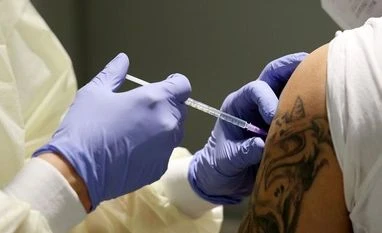
Photo: Bloomberg
premium

Photo: Bloomberg

Business Standard Editorial Comment Mumbai
China is suffering through a surge in Covid-19 cases, causing the country to report its highest infection numbers for some time, and this has also led to protests against Beijing’s “Covid Zero” policy. These increased cases may well be driven by a yet more infectious sub-variant of Omicron. The fact is that the virus is still spreading and mutating, however much other countries may have pivoted to “living with Covid”. Effectively implementing “living with Covid” policies requires consistent attention, however, from the government. The question is whether the Indian government has allowed its attention to wander. Unlike mainland China, India has managed to get two doses of vaccine out to almost all vulnerable individuals. But living with Covid also requires the administration of regular booster shots and even updated vaccines. India’s record with booster shots — or “precaution doses”, as they are being called in the country — is less impressive. It is necessary therefore for the government to take stock again of how its vaccination programme needs to be reconfigured to ensure that the India of 2023 remains outbreak-free.
 
India’s vaccination programme was driven by essentially two vaccines — Serum Institute of India’s licensed version of the Oxford/AstraZeneca vaccine, Covishield, and Bharat Biotech’s Covaxin. Initially the booster dose prescribed for Indians was a third shot of the two-dose vaccine they had received earlier. The government did well to include in August Corbevax as a mix-and-match booster shot. More explicit science-based recommendations on mixing and matching are needed. Ideally there should have been studies on whether other approaches for the booster would have been better. Those who received the Oxford vaccines in the United Kingdom, for example, often received mRNA-based vaccines as a booster. In addition, newer and effective vaccines have since been developed among those that can be manufactured in India. On Monday Bharat Biotech’s intranasal iNCOVACC received emergency-use authorisation for 18 years plus age group from the Central Drugs Standard Control Organisation as a heterologous booster dose. Multiple other options exist even without the licensing or import of the mRNA vaccines that were the mainstays of the West’s vaccination programmes. Experts should be consulted on what mixture of these options will allow for the greatest protection for those earlier vaccinated by Covishield or Covaxin. Some vaccines have also been updated to deal with the different characteristics of the Omicron variant, which is the most transmissible of the Covid-19 variants so far and has therefore largely displaced many other, more virulent versions in the wild.
 
Time is of the essence. It will shortly have been a year since the earliest boosters were rolled out to those over 60 in India. Given that best practice elsewhere in the world is for two original shots and two boosters, it is time also to consider the modalities of making a fourth shot available to those who want and need it. The government cannot rest on its laurels and hope that Covid-19 is entirely in the rearview mirror. A further mutation or a localised outbreak can still cause loss of life or severe economic damage. Living with Covid does not mean ignoring Covid.