While India has done well in producing PPE kits and masks at scale, the government could not augment medical infrastructure and systems to deal with the rise in cases. Mr Modi rightly stressed the significance of testing, tracking, and isolating the affected, but it doesn’t seem to be happening on the ground to the extent desired. India is still not testing enough. Testing is being ramped up in Delhi, for instance, after the positivity rate crossed 30 per cent. Clearly, India is behind the curve in testing and creating the required medical infrastructure. The efficacy of unlocking will depend on how quickly India is able to contain the virus.
On the economic front, the prime minister is seeing “green shoots”, as several indicators such as power and fuel consumption are showing signs of recovery. This is not entirely unexpected after a collapse caused by a severe shutdown of economic activity. Though some of the individual indicators may look encouraging, at the aggregate level, the economy will remain in a difficult spot for some time. Fitch Ratings, for example, revised its outlook on Thursday to negative from stable on India’s sovereign ratings. It expects the Indian economy to shrink by 5 per cent in the current fiscal year, which is in line with several other forecasts. The fact that the economy was losing momentum even before the Covid crisis will make the recovery more difficult. The government finances are also stretched, which has limited its ability to support the economy. Things would only get more difficult. For instance, accounting for refunds, direct tax collection in the first quarter is reported to have declined 32 per cent. Apart from the state of economic activity, this shows how difficult it would be to manage government finances. India’s general government debt stock is likely to increase by over 10 percentage points to well over 80 per cent of gross domestic product in the current year, which will further limit the government’s ability to support the economy. Economic recovery will also be restricted by disruption in trade and lower global demand.
Worryingly, even as India is struggling to contain the virus, reports are emerging of a second wave in various countries, including China. This could affect the global economic recovery and increase uncertainty. While the Indian economy is expected to recover in the coming quarters, the strength of the recovery will depend on how quickly the virus is contained and the efficacy of economic policy intervention. If the virus is not contained effectively, the benefits of unlocking will remain limited. India needs to rapidly make up for the lost time.


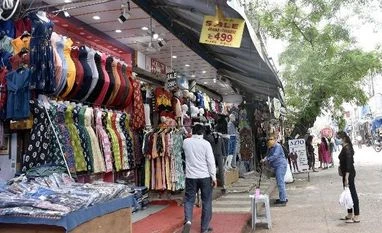 "lockdown, coronavirus, delhi")