


Egypt's football star, Mohamed Salah, is now set upon humbling his bosses
In Egypt, Salah's outburst came across as more than just a global star railing at domestic failings
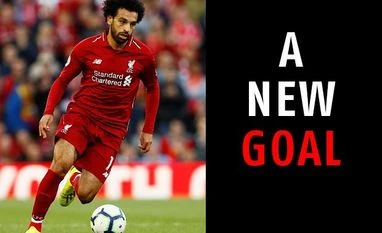 "Mohamed Salah, 26")
premium
Mohamed Salah, 26


When Mohamed Salah is on the offensive, you better watch out. That’s the lesson countless soccer opponents have learned from Salah, Egypt’s goal-scoring maestro and sports superstar. But this week Salah trained his devastating focus on a new target: the bungling bosses of Egypt’s national soccer association.
In a blistering series of Twitter messages, video posts and leaked letters, Salah, 26, vented a summer’s worth of frustrations against the leadership of the Egyptian Football Association for what he called its grossly incompetent handling of Egypt’s short-lived World Cup campaign in Russia in June.
Autograph hunters were permitted to knock on Salah’s hotel door in the middle of the night, he said, while preening Egyptian celebrities barged in on him, invading his personal space. On long plane journeys, players travelled in economy class while their managers stretched out in business-class seats. Salah, who also plays for the English club Liverpool, couldn’t even make it to the breakfast buffet without being swamped by fans.
A good soccer association ensures that its players are relaxed, Salah noted on Twitter. “But in reality, I don’t see anything but the opposite,” he added.
In Egypt, Salah’s outburst came across as more than just a global star railing at domestic failings: It represented a rare, frontal challenge to the authority of a national institution in a country where dissent of any kind can be highly dangerous.
Among those sent to Egypt’s crowded prisons last week was Masoum Marzouk, a retired diplomat who called for a referendum on the repressive rule of President Abdel Fattah el-Sisi. Others imprisoned since last year include a Lebanese tourist who publicly criticised Egypt, a woman who complained about sexual harassment, and several people who waved rainbow flags at a pop concert.
Salah, arguably the most popular man in Egypt, is a different matter.
During the World Cup, Egyptians vested their fragile hopes in Salah, inspired by his dazzling skills and small-town origins. His golden image had been burnished by endless accounts of his generosity and devotion to Islam: every time Salah scores for Liverpool, he falls to his knees as if in prayer. Even after the Egyptian team was knocked out of the tournament after three games, his halo was undiminished.
So it was all the more striking to hear Salah and his lawyer rail angrily against Egypt’s soccer bosses this week. “Your World Cup failure is the direct result of the incompetent management which you have displayed” since last year, the lawyer, Ramy Abbas Issa, wrote in a letter to the Egyptian Football Association. “Success on the field took a back seat ever since.”
In videos posted to Facebook, Salah lashed out at the bosses who made the team travel in the cheap seats. “They make us travel in economy class, which is exhausting for every player; all the other African teams fly in business class,” said Salah, stressing that he was asking for the team, not just for himself.
Stunned by the attacks, Egyptian soccer officials tried to defuse the crisis by turning to the playbook often employed by Egypt’s political authorities when faced with an embarrassing situation.
Some officials tried to ignore Salah’s demands; others sought to deflect the blame onto his hard-charging lawyer, who was repeatedly referred to as a “foreigner”. (He is Colombian.) Still others patronisingly referred to Salah as a son of the soil who had become egotistical, or even suggested that his public defiance constituted an act of disloyalty.
In a blistering series of Twitter messages, video posts and leaked letters, Salah, 26, vented a summer’s worth of frustrations against the leadership of the Egyptian Football Association for what he called its grossly incompetent handling of Egypt’s short-lived World Cup campaign in Russia in June.
Autograph hunters were permitted to knock on Salah’s hotel door in the middle of the night, he said, while preening Egyptian celebrities barged in on him, invading his personal space. On long plane journeys, players travelled in economy class while their managers stretched out in business-class seats. Salah, who also plays for the English club Liverpool, couldn’t even make it to the breakfast buffet without being swamped by fans.
A good soccer association ensures that its players are relaxed, Salah noted on Twitter. “But in reality, I don’t see anything but the opposite,” he added.
In Egypt, Salah’s outburst came across as more than just a global star railing at domestic failings: It represented a rare, frontal challenge to the authority of a national institution in a country where dissent of any kind can be highly dangerous.
Among those sent to Egypt’s crowded prisons last week was Masoum Marzouk, a retired diplomat who called for a referendum on the repressive rule of President Abdel Fattah el-Sisi. Others imprisoned since last year include a Lebanese tourist who publicly criticised Egypt, a woman who complained about sexual harassment, and several people who waved rainbow flags at a pop concert.
Salah, arguably the most popular man in Egypt, is a different matter.
During the World Cup, Egyptians vested their fragile hopes in Salah, inspired by his dazzling skills and small-town origins. His golden image had been burnished by endless accounts of his generosity and devotion to Islam: every time Salah scores for Liverpool, he falls to his knees as if in prayer. Even after the Egyptian team was knocked out of the tournament after three games, his halo was undiminished.
So it was all the more striking to hear Salah and his lawyer rail angrily against Egypt’s soccer bosses this week. “Your World Cup failure is the direct result of the incompetent management which you have displayed” since last year, the lawyer, Ramy Abbas Issa, wrote in a letter to the Egyptian Football Association. “Success on the field took a back seat ever since.”
In videos posted to Facebook, Salah lashed out at the bosses who made the team travel in the cheap seats. “They make us travel in economy class, which is exhausting for every player; all the other African teams fly in business class,” said Salah, stressing that he was asking for the team, not just for himself.
Stunned by the attacks, Egyptian soccer officials tried to defuse the crisis by turning to the playbook often employed by Egypt’s political authorities when faced with an embarrassing situation.
Some officials tried to ignore Salah’s demands; others sought to deflect the blame onto his hard-charging lawyer, who was repeatedly referred to as a “foreigner”. (He is Colombian.) Still others patronisingly referred to Salah as a son of the soil who had become egotistical, or even suggested that his public defiance constituted an act of disloyalty.
Even after the Egyptian team was knocked out of the World Cup after three games, Mohamed Salah’s halo was undiminished