


Will Trump's 27% tariff on India lead to lower prices or spark retaliation?
India assesses impact of new US tariffs as trade talks continue; potential duty cuts on American imports could make high-end electronics, automobiles, and other goods affordable
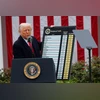 "Donald Trump")
US President Donald Trump (Photo: Reuters)


Listen to This Article
On Wednesday, US President Donald Trump declared ‘Liberation Day,’ imposing reciprocal tariffs on 185 nations to reshape global trade. India faces a 27 per cent tariff on exports to the US, with Trump justifying the move by citing India’s high tariffs on US goods, allegedly reaching 52 per cent. While this announcement has sparked concerns about its impact on India’s economy, it also raises the question: Will these tariff changes make American goods cheaper in India?
Reciprocal tariff framework
Trump’s tariff policy is rooted in the concept of reciprocity, aiming to match the tariffs imposed by other nations on US exports. For India, the 27 per cent levy represents a significant escalation in trade barriers. This move is part of a broader strategy to address the $46 billion trade deficit between the two countries. Trump emphasised that these tariffs are designed to ‘level the playing field’ and encourage fairer trade practices.
Impact on Indian imports
While Trump’s tariffs directly target Indian exports to the US, their indirect impact on American goods entering India is more complex. Historically, India has imposed high duties on imports from the US across various sectors, including automobiles, pharmaceuticals, and electronics. In response to Trump’s announcement, India may consider reducing tariffs on US goods to mitigate the economic fallout and preserve trade relations.
Lower tariffs on US imports could make American products more competitive in India. For instance, sectors like automobiles and high-end electronics could see reduced prices if India opts for tariff concessions. However, this scenario depends heavily on India's willingness to negotiate and adjust its import duties. As of now, no concrete trade deal has been finalised.
Potential challenges
Despite the possibility of cheaper American goods in India, several hurdles remain:
Also Read

 "Gaurav Dua")
 "VK Vijayakumar, Geojit Financial Services")
 "Donald Trump")
 "Supreme Court, SC")
 "US President Donald Trump")
>Economic retaliation: India’s export-driven industries — such as pharmaceuticals, IT services, and textiles — are expected to suffer under the new tariffs. This economic strain may limit India’s ability to offer reciprocal concessions.
>Inflationary pressures: If India fails to negotiate lower tariffs on US goods, domestic consumers may face higher prices for imported products due to increased costs passed down by manufacturers and retailers.
>Trade negotiations: The success of any tariff reductions hinges on India's ability to strike a favourable trade deal with the US. While discussions are ongoing, geopolitical tensions and domestic political considerations could complicate these efforts.
Govt assesses impact of Trump tariffs
The Indian government is assessing the economic impact of the 27 per cent reciprocal tariff imposed by the United States, a senior commerce ministry official told PTI on Thursday.
As per the official, the US will implement the first phase of a universal 10 per cent import tariff starting April 5. The remaining 16 per cent, raising India’s total tariff burden to 27 per cent, will be enforced from April 10.
“The ministry is analysing the impact of the announced tariffs... It is a mixed bag and not a setback for India,” the official said, adding that there is room for negotiation. The Trump administration has signalled that if a country addresses US trade concerns, the tariffs could be adjusted accordingly.
Ahead of Trump’s announcement, the Indian government established a control room where senior ministry officials monitored developments.
India’s last-minute bid for relief
India had sought an exemption before the tariff decision, with Commerce Minister Piyush Goyal travelling to Washington DC last month for discussions on a bilateral trade deal. The visit focused on averting tariff hikes and strengthening economic relations.
India and the US are in talks for a bilateral trade agreement, with both nations aiming to finalise the first phase of the deal by September-October this year.
In response to US concerns, India had already lowered customs duties in the Union Budget in February. This reduced peak import tariffs from 150 per cent to 70 per cent, while the average tariff rate declined from 13 per cent to below 11 per cent.
More From This Section
 "Donald Trump")
 "The Economic Survey on Monday cautioned that growing exports will be a “stiffer challenge than before” due to the risks of geopolitical tensions, rise in protectionism, higher trade cost because of the Red Sea crisis, and commodity price volatility.")
 "US-India, US-India flag, US India flag")
 "Image via Shutterstock")
 "India-EU")
Don't miss the most important news and views of the day. Get them on our Telegram channel
First Published: Apr 03 2025 | 11:22 AM IST