


India has 'no basis' to seek WTO consultations on auto tariffs, says US
India had challenged the 25% US tariffs on automobiles at the WTO, claiming they were safeguard measures, but Washington insists they fall outside the Safeguards Agreement
 "Cars")
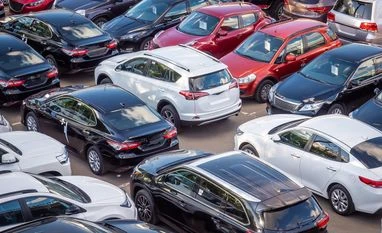
Earlier this month, in its submission to the WTO, India argued that the 25 per cent tariffs imposed by the US on passenger vehicles, light trucks, and certain auto parts amount to a "safeguard measure". Photo: Shutterstock
Listen to This Article
The US has informed the World Trade Organisation (WTO) that its tariffs on automobiles and auto components do not fall under the category of safeguard measures, and therefore, there is "no basis" for India to seek consultations on the matter, PTI reported.
Earlier this month, India had requested consultations with the US at the WTO, challenging the American tariffs on vehicles and related parts under the safeguard provisions of the General Agreement on Tariffs and Trade (GATT) 1994 and the Agreement on Safeguards.
In a formal communication to the WTO, the US clarified: “The United States is not maintaining these actions pursuant to the safeguards/emergency action provisions in Article XIX of GATT 1994 and the Agreement on Safeguards. These actions are not safeguard measures, and, therefore, there is no basis to conduct consultations under the Agreement on Safeguards.”
While the US expressed willingness to engage in talks with India, it maintained that any such discussion would be outside the framework of the Safeguards Agreement and would not alter its position that the tariffs in question are not safeguard measures.
Also Read

 "Donald Trump, Trump")
 "Elon Musk, Donald Trump")
 "UPI")
 "Pine labs")
 "Google app")
India's consultation request follows its earlier decision to reserve the right to impose retaliatory tariffs on select American goods in response to US duties on steel and aluminium.
India challenges 25% US auto tariffs at WTO
Earlier this month, in its submission to the WTO, India argued that the 25 per cent tariffs imposed by the US on passenger vehicles, light trucks, and certain auto parts amount to a "safeguard measure" aimed at shielding domestic industries from a perceived spike in imports.
India noted that the tariffs, which took effect on 3 May 2025, were implemented without advance notification to the WTO’s Committee on Safeguards, an action that breaches Article 12.1(c) of the WTO Safeguards Agreement, which requires prior notice before such measures are introduced.
India also formally reserved the right to take retaliatory measures if its consultations with the United States fail to produce a resolution within the 30-day period mandated under WTO rules. In its submission, India stated, “India reserves all its rights under the Agreement Establishing the World Trade Organisation and its Annexes, including the Agreement on Safeguards.”
This filing marks a significant shift in New Delhi’s approach, signalling a more assertive stance in trade negotiations with Washington. While India was among the first nations to engage the Trump administration after it announced the so-called 'Liberation Day' tariffs, it had previously refrained from openly criticising US trade actions, opting instead for quiet diplomacy. Nevertheless, India had hinted at possible reciprocal steps in the past, particularly in response to American duties on steel and aluminium imports.
More From This Section
 "S Jaishankar, Jaishankar")
 "Heatwave in India, IMD, weather")
 "Indian railways, rail accident, rail safety")
 "edible oil")
 "N Chandrababu Naidu, Chandrababu, Naidu")
Don't miss the most important news and views of the day. Get them on our Telegram channel
First Published: Jun 12 2025 | 7:30 AM IST