


Monsoon floods and car damage:Here's what could derail your insurance claim
Many car owners lose out on claims after floods due to avoidable mistakes, say experts
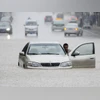 "A car stuck due to heavy rainfall")
A car stuck due to heavy rainfall


Listen to This Article
Motor insurance claims spike during monsoons but many vehicle owners face disputes or delays in claims because they don’t follow critical steps. Experts say that understanding what insurers want and avoiding common mistakes ensure smooth claims settlement.
Don’t start a flooded car
The most common mistake is trying to start or drive a submerged vehicle. “When water enters the engine, it can cause hydrostatic lock. This is considered consequential damage, which is usually not covered unless you have an engine protection add-on,” said Mayur Kacholiya, head, motor product, Digit General Insurance.
Cranking the engine of a flooded car can lead to outright claim rejection, said Shashi Kant Dahuja, executive director and chief underwriting officer, Shriram General Insurance. “Vehicle insurance does not cover consequential damage. Hence, ensure you do not start your vehicle engine.”
Insurers have denied claims because owners tried to restart their flood-damaged vehicles, said Manish Kumar Goyal, chairman and managing director at Finkeda.
Document damage quickly
Vehicle insurance customers must gather evidence of damages before starting repairs. “Photographs, videos of the spot, and the service centre’s report are critical for establishing how the damage occurred,” said Dahuja. He advised retaining damaged parts until the surveyor’s approval and avoiding inflated repair estimates, as insurers only reimburse fair costs.
Also Read

 "petrol, Oil, Diesel")
 "motor insurance, Car insurance")
 "Motor Insurance")
 "Driving, Drive")
 "Zuno General Insurance")
Goyal noted that timely action matters. “Submit pictures, retain the service centre’s report, and file your claim within 24-48 hours. Delays can complicate the process,” he said.
Stick to approved garages
Repairs should be done at authorised workshops. “Unauthorised or cash-based fixes may delay or even void your claim approval,” said Kacholiya, adding that insurers often mandate the use of network garages for cashless settlements.
Buy add-on covers
Motor insurance covers flood-related losses but experts underline the importance of add-ons. “Engine protection cover ensures you are compensated for repair or replacement of engine parts damaged by water ingress, which is otherwise excluded,” said Dahuja.
Roadside assistance (RSA) is equally useful. “Vehicle breakdowns are common in the monsoon, and RSA helps with towing, refuelling or on-spot repairs,” he added.
According to Goyal, add-ons such as zero depreciation, engine protection and RSA can increase the chances of a claim being settled smoothly and reduce out-of-pocket costs.
Monsoon damage is unpredictable, but a well-prepared policyholder can avoid stress at the claims stage. Do not start a flood-hit vehicle, document everything, inform your insurer promptly, and opt for key add-ons. Prioritise safety and then contact your insurer to start the claims process, Kacholiya said.
More From This Section
 "Fixed Deposit")
 "pool")
 "mutual fund, SIP")
 "mutual funds, investments, InvITs, Reits")
 "Life Insurance Corporation")
Don't miss the most important news and views of the day. Get them on our Telegram channel
First Published: Aug 21 2025 | 4:26 PM IST