


Delhi's toxic winter air may be carrying drug-resistant superbugs: Study
Researchers at JNU warn that Delhi's winter smog could be harbouring drug-resistant bacteria, compounding health risks already posed by some of the world's worst air pollution
 "air pollution, Delhi, winter toxic air, smog")
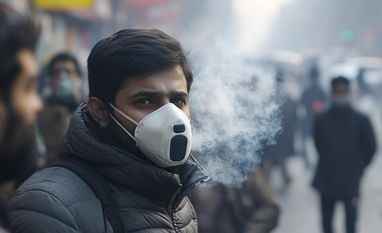
A JNU study finds Delhi’s polluted winter air could be a carrier of drug-resistant microbes. (Photo: AdobeStock)
Listen to This Article
Every winter, Delhi’s residents brace themselves for burning eyes, breathlessness and worsening coughs as toxic smog descends on the city. Now, a new study by researchers at the Jawaharlal Nehru University (JNU) warns that Delhi’s toxic winter air also carries antibiotic-resistant bacteria, raising fresh public health concerns in one of the world’s most polluted regions.
The study, titled Distribution and antibiotic resistance patterns of airborne staphylococci in urban environments of Delhi, India, published in the journal Nature – Scientific Reports, found alarmingly high levels of antibiotic-resistant “superbugs” in Delhi’s indoor and outdoor air, especially during winter, when pollution peaks. The findings suggest that polluted air may also act as a carrier for antimicrobial resistance (AMR), one of the biggest global health threats today.
What did the JNU study investigate?
The researchers collected air samples from multiple real-world locations across Delhi, including:
- Crowded market areas
- Urban slum settings
- Residential apartments
- A sewage treatment plant within the JNU campus
Both indoor and outdoor air were tested across summer, monsoon and winter to see how bacterial loads and resistance patterns changed over time.
Across all locations, airborne bacterial levels were far higher than the World Health Organization’s recommended safe limit for microbial exposure. In some winter samples, bacterial counts crossed 16,000 colony-forming units per cubic metre, more than 16 times the WHO threshold.
Also Read

 "Diwali weight gain")
 "Hospital, Medical, Emergency, Doctor, Covid")
 "lalu yadav, former bihar cm, rjd leader")
 "Umar Khalid")
 "Fixed Deposit Return")
Even more concerning was the nature of these bacteria. Many belonged to the Staphylococcus family, a group that includes species known to cause skin infections, pneumonia, bloodstream infections and hospital-acquired illnesses.
According to the researchers, a significant proportion of the airborne bacteria were identified as methicillin-resistant staphylococci (MRS), organisms that do not respond to commonly used antibiotics. Among these:
- 73 per cent were multidrug-resistant, meaning they resisted multiple antibiotic classes
- Many showed resistance to macrolides, beta-lactams, trimethoprim, gentamicin and other frontline drugs
- Genetic testing confirmed the presence of antibiotic resistance genes (ARGs)
Notably, 14 out of 36 multidrug-resistant isolates carried the mecA gene, a well-known genetic marker that confers resistance to methicillin and related antibiotics.
Why winter emerged as the riskiest season
The study found that levels of airborne drug-resistant bacteria peaked during winter, while monsoon rains significantly reduced outdoor contamination.
Researchers suggest several reasons:
- Poor air dispersion during winter traps pollutants and microbes close to the ground
- High particulate matter may provide surfaces for bacteria to attach to and travel
- Cooler temperatures and lower humidity help bacteria survive longer in the air
In contrast, rainfall during the monsoon appears to wash out bioaerosols, lowering outdoor bacterial loads.
Is indoor air any safer?
While outdoor air showed dramatic seasonal swings, indoor air consistently showed high bacterial loads, even during monsoon and summer months. Enclosed spaces with limited ventilation, high human activity and stable humidity may allow bacteria to persist indoors, raising concerns for homes, offices, markets and public buildings alike.
Who is most at risk from airborne superbugs?
Healthy individuals may clear many of these bacteria without falling ill. But the risk rises sharply for:
- People with weakened immunity
- Those with chronic lung disease
- Individuals with open wounds
- The elderly and young children
The study says that inhaling drug-resistant bacteria does not guarantee infection, but it increases the chances of difficult-to-treat infections, especially if bacteria gain access to vulnerable tissues.
Why this matters for public health
Antimicrobial resistance is already a global crisis, largely tracked through hospitals and clinical infections. This study adds a troubling new layer: the environment itself may act as a reservoir and transmission route for resistance.
The JNU team calls for:
- Systematic monitoring of antibiotic-resistant bacteria in urban air
- Integration of environmental AMR data into public health planning
- Stronger policies to address pollution, antibiotic misuse and waste management together
“This study emphasises the potential health risks posed by airborne reservoirs of antibiotic resistance in urban environments,” the researchers note, underscoring the urgency of coordinated action.
For more health updates, follow #HealthWithBS
This content is for informational purposes only and is not a substitute for professional medical advice.
More From This Section
 "hepatitis A outbreak")
 "Rabies")
 "Genetic Test")
 "gynaecological checkups - deskjobs women")
 "rabies vaccination pets")
Topics : Health with BS BS Web Reports air pollution Delhi winter pollution Antimicrobial resistance
Don't miss the most important news and views of the day. Get them on our Telegram channel
First Published: Jan 05 2026 | 1:41 PM IST