


Glass, copper, steel or plastic: Which bottle to pick for daily hydration?
Each bottle material comes with its own pros and cons, from durability to potential health risks. Understanding these differences can help you make a smarter choice
 "best water bottle material")
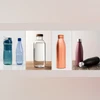
Choosing the right water bottle material can play a role in everyday hydration and health. (Illustration: Business Standard)
Listen to This Article
From gym bags and office desks to bedside tables, water bottles have become an everyday essential. Yet while most of us track how much water we drink, we rarely think about what we are drinking it from. Glass, copper, steel or plastic, the material of your bottle can quietly influence taste, safety, and long-term health.
Used daily, water bottles can affect more than just convenience. Some materials may leach chemicals, change the flavour of water, or harbour bacteria if not cleaned properly, while others are linked to traditional health practices when used with care. Knowing how each option behaves can help you make a safer, more informed choice.
Glass water bottles: Clean taste, fragile build
Glass bottles are often considered the purest option. They do not react with water, retain flavours or release chemicals, making them ideal for people sensitive to taste or concerned about contamination.
Pros:
- Chemically inert and non-toxic
- Preserves the natural taste of water
- Easy to clean and resistant to staining
Cons:
Also Read

 "US visa, H4, H1B")
 "US visa, H4, H1B")
 "India, Indians, mumbai, population, economy")
 "US visa, US immigration, green card")
 "dog bite first aid")
- Fragile and prone to breaking
- Heavy and not travel-friendly
- Not ideal for travel or outdoor use
- Painted plastic caps can still shed microplastics
Best for: Home or office use, and for those prioritising water purity.
Copper water bottles: Traditional benefits with caution
Copper bottles have long been used in traditional practices, with claims that copper-infused water supports digestion and immunity. While small amounts of copper are essential for the body, excess intake can be harmful.
Pros:
- Natural antimicrobial properties
- May help reduce bacterial growth in stored water
Cons:
- Overuse may lead to excess copper intake
- Not suitable for acidic drinks
- Requires careful cleaning and limited use
- Relatively heavy to use
Best for: Occasional use, not continuous all-day hydration.
Stainless steel bottles: Durable and dependable
Stainless steel bottles are among the most popular choices today, especially for people on the move. High-quality food-grade steel is generally safe, durable and long-lasting.
Pros:
- Strong, lightweight and travel-friendly
- Resistant to rust and breakage
- Maintains water temperature in insulated versions
- Easy to clean and resistant to stains, odour
Cons:
- Low-quality steel may rust or degrade
- Does not add any nutritional value, unlike Copper
- Heavier than plastic
Best for: Daily use, travel, workouts and outdoor activities.
Plastic bottles: Convenient but problematic
Plastic bottles are lightweight and affordable, but health concerns remain, especially with older or low-quality plastics. Chemicals and microplastics can leach into water, particularly when bottles are exposed to heat.
Pros:
- Lightweight and inexpensive
- Easy to carry
- Shatter-resistant
Cons:
- Potential chemical leaching
- Scratches can harbour bacteria
- Higher environmental impact
Best for: Short-term use only; always opt for BPA-free, food-grade plastic.
Which bottle should you choose?
There is no one-size-fits-all answer. If purity and taste matter most, glass is a strong option. For durability and everyday practicality, stainless steel is often the safest bet. Copper bottles can be used occasionally but should not replace regular hydration bottles. Plastic, while convenient, should be used with caution and replaced frequently. Whatever you choose, regular cleaning and mindful use are just as important as the material itself.
For more health updates, follow #HealthwithBS
This report is for informational purposes only and is not a substitute for professional medical advice.
More From This Section
 "Sleep habits")
 "cancer patient doctor")
 "Dinakar - India Bryan Johnson")
 "lipid test, cholesterol check, heart health")
 "Food cravings, food addictions, junk food, processed food, unhealthy food, health, nutrition")
Don't miss the most important news and views of the day. Get them on our Telegram channel
First Published: Jan 07 2026 | 4:49 PM IST