


How poor diabetes management increases complications in people with HIV
Experts warn that poor sugar control pushes HIV-related health risks higher, leading to faster progression of heart, kidney and nerve problems
 "HIV and diabetes")
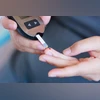
A routine blood sugar check underscores the need for better chronic care management. (Photo: Adobestock)
Listen to This Article
People living with HIV (PLWH) are living longer, healthier lives thanks to modern antiretroviral therapy (ART). But with longer life expectancy comes a rising burden of chronic diseases such as diabetes. When diabetes is poorly controlled, its effects overlap with HIV-related immune stress, creating a dangerous combination that accelerates complications.
Experts warn that early recognition and integrated care are key to preventing long-term damage.
Double burden on the immune system
“People living with HIV are more vulnerable to complications when diabetes is poorly managed because both conditions independently strain the immune system and blood vessels,” says Dr Piyush Lodha, endocrinologist, Ruby Hall Clinic, Pune.
HIV triggers ongoing immune activation, while high blood glucose weakens white blood cells, slows healing and damages blood vessels. When these effects overlap, they can:
- Increase infections
- Speed up cardiovascular and kidney disease
- Worsen nerve damage
- Delay recovery from routine illnesses
Dr Neha Rastogi, consultant – infectious diseases, Fortis Hospital, Gurgaon, summarises it simply, "HIV and uncontrolled diabetes amplify each other’s complications." Organs already stressed by HIV become more vulnerable, and diabetes-related problems progress more quickly.
Also Read

 "Labour Minister Mansukh Mandaviya")
 "Suryoday SFB")
 "sanchar saathi app, sanchar saathi mobile app")
 "Anthropic")
 "Union Finance Minister Nirmala Sitharaman speaks during the first day of the Winter Session of Parliament, in New Delhi, Monday, Dec. 1, 2025. (Sansad TV via PTI Photo)")
Experts add that persistently high blood sugar further strains the body by fuelling inflammation. Elevated glucose triggers oxidative stress and inflammatory markers such as IL-6 and TNF-α. For people with HIV, whose immune system is already overworked even when the virus is well controlled, this added inflammation becomes especially harmful.
Together, these effects increase the frequency and severity of infections and accelerate complications like neuropathy, retinopathy and kidney disease.
Early warning signs to watch out for
Here are some of the commonly spotted warning signs in PLWH, when sugar levels are poorly controlled:
- Recurrent fungal or skin infections
- Slow-healing wounds
- Tingling, numbness or vision changes
- Rapid or unexpected weight gain
- Abnormal lipids or rising blood pressure
- New protein in urine (early kidney involvement)
- Persistent fatigue
In many cases, these signs appear more aggressively because both HIV and hyperglycaemia stress the immune system simultaneously.
ART, metabolism and the diabetes connection
Antiretroviral therapy is essential for people living with HIV, but some HIV medicines can affect the way the body handles sugar and fats. Dr Lodha notes that older HIV drugs, such as some protease inhibitors and certain NRTIs, had stronger side effects on metabolism. Newer medicines are generally safer, but they can still have some impact.
Dr Rastogi explains how this happens:
- Weight gain and higher sugar levels: Some modern HIV drugs (especially certain integrase inhibitors) can cause noticeable weight gain, which can worsen blood sugar control.
- Medicine interactions: Some HIV medicines can change how drugs like metformin or statins work, so doctors may need to adjust doses.
- Cholesterol issues: Older HIV treatments can raise cholesterol, increasing heart-related risks.
This means ART choices must factor in blood sugar control, kidney health and cardiovascular risk for patients with diabetes.
What steps patients can take
Experts recommend simple, consistent habits for better day-to-day control:
Daily routine essentials
- Maintain regular meal timings
- Stay physically active most days
- Monitor blood glucose at home
- Drink adequate water and sleep well
- Inspect feet every day for sores
- Avoid smoking and limit alcohol
- Keep an updated list of all medications
At clinic visits
- Review ART if weight or sugar levels worsen
- Discuss possible drug–drug interactions
- Ensure regular screening for kidney, nerve and eye complications
- Share your full medication list with all providers
Structured counselling on diet, stress and adherence can significantly improve outcomes, says Dr Lodha.
Integrated HIV and diabetes care
Dr Lodha highlights gaps such as limited endocrinologists in HIV clinics, poor data sharing and inadequate metabolic screening. Dr Rastogi adds that separate funding and training systems make coordination difficult.
Experts suggest solutions including:
- One-stop HIV–NCD clinics
- Training primary-care teams in combined HIV–diabetes management
- Unified supply chains for ART and diabetes medicines
- Shared electronic health records
- Routine metabolic monitoring protocols
Integrated care can dramatically reduce complications and improve long-term quality of life for people living with both conditions.
Also Read-
For more health updates, follow #HealthwithBS
This report is for informational purposes only and is not a substitute for professional medical advice.
More From This Section
 "brain ageing study")
 "Vehicles move along a road on a smoggy morning, as air pollution persists in Mumbai, India, November 27, 2025 | REUTERS")
 "CGWB Annual Ground Water Quality Report 2025")
 "food delivery apps")
 "GLP-1 weight-loss drugs like Ozempic and Wegovy")
Topics : Diabetes Health with BS BS Web Reports HIV Aids HIV test
Don't miss the most important news and views of the day. Get them on our Telegram channel
First Published: Dec 03 2025 | 4:42 PM IST