


Holi 2026 checklist: Play it safe with expert tips for skin, hair and body
A few simple steps before Holi can prevent rashes, hair damage and fatigue. Experts break down what works and what to avoid
 "Tips for holi")
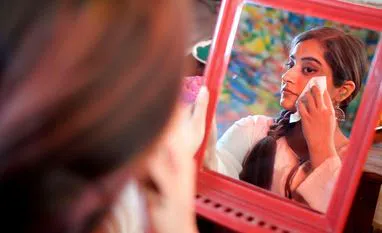
Applying oil and sunscreen before Holi helps create a protective barrier against colours and sun exposure.(Photo: Adobestock)
Listen to This Article
Holi is a festival of colour and joy, but it can be surprisingly harsh on your skin, hair and overall health. Synthetic pigments, prolonged sun exposure and repeated wet–dry cycles can weaken the skin barrier, while dehydration and festive indulgence can leave you feeling drained. The good part is that a little preparation goes a long way, and dermatologists say that starting early can make all the difference.
Start strengthening your skin barrier early
According to Dr Gitika Sanodia, Consultant Dermatologist at Dr L H Hiranandani Hospital, Powai, preparation should begin a few days before the celebrations.
“A few days prior, focus on strengthening the skin barrier. Use a gentle cleanser, regular moisturiser, preferably with ceramides, and sunscreen daily. Avoid starting new actives like retinoids or chemical peels just before Holi,” she advises.
She also recommends conditioning your hair well and trimming your nails to prevent pigment deposition and minor injuries.
Dr Sanodia notes that sensitive skin is increasingly common. “I have noticed a significant rise in patients presenting with sensitive skin, and it is increasingly becoming the ‘new normal’ rather than an exception,” she says, adding that pollution and overuse of actives like retinoids and exfoliating acids have compromised many skin barriers.
Also Read

 "Couples, love, people, health")
 "Ayatollah Ali Khamenei, Ayatollah Ali, Ayatollah")
 "Claude")
 "air pollution, AQI, Delhi smog, post-Diwali pollution")
 "Amazon web services")
Keeping your routine simple with ceramides, hyaluronic acid and niacinamide can help restore resilience before the festival.
Prep and protect: Your essential pre-Holi ritual
The concept is simple yet effective, and as Dr Saurabh Shah, Senior Clinical & Cosmetic Dermatologist and Dermatosurgeon at Saifee Hospital, explains, it is all about creating a physical shield.
Apply a thick layer of coconut or almond oil or a heavy cream-based moisturiser on all exposed skin, and pay attention to areas where colour tends to settle, such as behind the ears, neck folds and between fingers. Sunscreen with SPF 50+ should be layered on top and applied 20 to 30 minutes before stepping out, because UV exposure combined with colour can trigger photodermatitis (skin inflammation) and pigmentation.
For skin
- Use a thick moisturiser or oil as a base layer
- Apply water-resistant sunscreen generously
- Reapply sunscreen if outdoors for long hours
For hair
- Deep condition two to three days prior
- Oil hair generously before playing
- Tie it in a braid or bun and cover with a scarf or cap
- Avoid chemical treatments at least a week before
For lips and nails
- Use a thick hydrating lip balm or petroleum jelly
- Avoid matte lipsticks as they dry and crack lips
- Apply clear or dark nail polish to prevent staining
- Seal cuticles with petroleum jelly
Clothing also acts as a barrier, so opt for full-sleeved breathable cotton outfits and avoid synthetic fabrics because they trap heat and worsen discomfort.
Hydration and nutrition matter more than you think
While topical care is crucial, internal preparation is equally important. Dr Rashmi Aderao, Dermatology Consultant at Ruby Hall Clinic, Pune, stresses that hydration supports both skin integrity and thermoregulation.
“The body maintains a core temperature of approximately 37.4°C through sweating and evaporative cooling,” she explains. During Holi, sun exposure and physical exertion increase heat stress, and dehydration reduces sweat production, impairing cooling.
When dehydration sets in, it may lead to fatigue, headaches and even heat exhaustion. To prevent these -
- Start hydrating the day before
- Include electrolytes if outdoors for long hours
- Choose coconut water, lemon water or oral rehydration solutions
- Reduce alcohol and excessive caffeine
Heavy fried foods and excess sugar can also trigger inflammation and acne flare-ups. Balanced meals with protein and fibre help maintain stable blood sugar levels, while probiotic foods can support gut health, which directly reflects on the skin.
Who should be extra careful?
People with eczema, psoriasis, acne, asthma or allergies are at higher risk. Synthetic powders can irritate the nasal passages and airways, and fine particles may trigger asthma attacks or persistent coughing.
Dr Sanodia warns that synthetic colours may contain heavy metals like lead, mercury and chromium, along with industrial dyes such as malachite green. These can cause dermatitis, hair damage, eye irritation and even respiratory issues when inhaled.
If you have sensitive skin or a respiratory condition:
- Choose herbal or organic colours
- Wear protective clothing and consider a mask
- Avoid peak sun hours
- Wash off colours immediately if irritation begins
- Keep inhalers accessible if you have asthma
Removing Holi colours the safe way
Once the celebrations end, resist the urge to scrub aggressively. Many individuals also report using dishwashing liquids or household detergents to remove stubborn Holi colours. However, dermatologists strongly advise against this practice because these products are not formulated for human skin.
Dr Sanodia advises, “Avoid harsh scrubbing. Use lukewarm water with a mild cleanser. Oil-based cleansing can help loosen stubborn colours. Follow with a soothing moisturiser.”
For hair, use a gentle shampoo followed by deep conditioning, and allow the scalp to recover.
Seek medical attention if you notice persistent rashes, severe itching, swelling, eye redness, breathing difficulty or fever, as these may signal an allergic reaction or infection.
For more health updates, follow #HealthwithBS
This report is for informational purposes only and is not a substitute for professional medical advice.
More From This Section
 "restless leg syndrome")
 "Pills, medicine, medication")
 "Ozempic, Wegovy, Mounjaro, GLP-1 drugs, semaglutide, tirzepatide, weight loss drugs")
 "heartbreak, mental health")
 "career breaks for mental health")
Don't miss the most important news and views of the day. Get them on our Telegram channel
First Published: Mar 03 2026 | 10:19 AM IST