


Confused by new US vaccine rules for kids? What Indian parents should know
A US panel has restricted MMRV shots for kids under 4 and delayed advice on hepatitis B jabs for newborns-here's how India's vaccine policy compares and what Indian parents should do
 "child vaccine, Immunisation, vaccination")
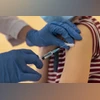
A child receiving routine vaccines under India’s immunisation schedule. (Photo: Freepik)
Listen to This Article
A US federal vaccine panel, led by Health Secretary Robert F Kennedy Jr, rolled back its recommendation for children under 4 on Thursday to get the combined measles, mumps, rubella, and chickenpox (MMRV) shot, citing safety concerns. The Advisory Committee on Immunization Practices (ACIP) voted 8–3 to stop recommending the combined MMRV vaccine for this age group.
The panel has also postponed a decision on hepatitis B birth doses for newborns of mothers who test negative for the HBsAg virus, citing lack of clarity and data. Currently, the recommendation is for a universal birth dose—meaning all newborns should receive the first dose of the hepatitis B vaccine soon after birth, regardless of the mother’s infection status.
These shifts in US vaccine policy raise important questions for parents worldwide. Should Indian parents be concerned? How does India’s child immunisation schedule compare?
Why did the US vaccine panel roll back the MMRV guideline for children under 4?
The ACIP, under Health Secretary RFK Jr, rolled back its guidance that children under 4 receive the combined MMRV shot. It now advises giving the measles-mumps-rubella (MMR) vaccine and the varicella (chickenpox) vaccine separately.
According to medical reports, this change is based on studies showing a slightly higher risk of febrile seizures (fever-related convulsions) when MMRV is given as the first dose in young children, compared to administering MMR and varicella separately.
India’s current recommendation on measles, mumps, rubella, and varicella vaccines
India administers measles and rubella vaccines under the Universal Immunisation Programme (UIP). The Indian Academy of Pediatrics (IAP) recommends the first dose of MMR at 9 months, a second at 15 months, and a third at 4–6 years.
Also Read

 "public toilets, toilet")
 "wrinkles, skincare, men, laughing man")
 "sleep anxiety")
 "PCOS and role of parents")
 "Apple watch, watches, smart gadgets, apple")
Varicella (chickenpox) is usually given at 15 months, followed by a second dose at 4–6 years.
Clinical trials in India have shown that the MMRV vaccine is safe and effective. However, similar to the US, the first dose may carry a slightly higher risk of fever and febrile seizures than when given separately. For this reason, many Indian doctors prefer administering MMR and varicella separately for the first dose, while MMRV may be considered for later ones.
What is India’s current policy on hepatitis B for newborns?
In India, the birth dose of the hepatitis B vaccine is strongly recommended. The Ministry of Health and Family Welfare, under the UIP, advises administering the first dose as soon as possible after birth—ideally within 24 hours—before the mother and baby are discharged.
If the mother is HBsAg positive, doctors also administer hepatitis B immune globulin (HBIG) within 12 hours to protect the newborn.
India is unlikely to delay this universal birth dose, as that would require near-perfect maternal screening and follow-up—still a challenge in many parts of the country.
Should Indian parents be worried about the US decision?
In India, the vaccine schedule already leans toward separate MMR and varicella shots in young children, which mirrors what the US is now reverting to. The hepatitis B birth dose remains essential in India due to the risk of mother-to-child transmission and gaps in universal screening.
India’s Universal Immunisation Programme and Mission Indradhanush
India delivers child and maternal vaccines through the Universal Immunisation Programme (UIP), launched in 1985. Considered one of the world’s largest public health initiatives, the UIP provides free vaccines against 12 life-threatening diseases, including tuberculosis, diphtheria, pertussis, tetanus, polio, measles, rubella, rotavirus, hepatitis B, Haemophilus influenzae type B (Hib), Japanese encephalitis, and pneumococcal pneumonia.
To improve coverage, the government launched Mission Indradhanush in 2014, aiming for 90 per cent full immunisation for children and pregnant women. The goal is to ensure that every child—regardless of location or socioeconomic status—is protected from vaccine-preventable diseases, while mothers receive key vaccines to safeguard both their own and their babies’ health.
For more health updates, follow #HealthWithBS
This content is for informational purposes only and is not a substitute for professional medical advice.
More From This Section
 "US healthcare")
 "Donald Trump, Trump")
 "facial expressions ageing, wrinkles, skincare")
 "magnesium deficiency")
 "multivitamins, daily supplements")
Topics : Health with BS BS Web Reports India vaccination Vaccine Health Ministry health news Child health in India immunisation
Don't miss the most important news and views of the day. Get them on our Telegram channel
First Published: Sep 22 2025 | 10:07 AM IST