


Visiting Hong Kong? Refusing to share passwords with cops may cost ₹12 lakh
New national security rules allow Hong Kong police to access devices without court approval, with refusal carrying jail terms and fines
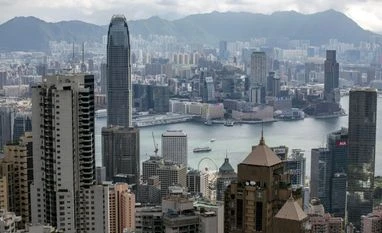 "Hong Kong, Hong Kong skyline")
Hong Kong. Photo: Bloomberg
Listen to This Article
Planning to travel to Hong Kong in the next couple of days? From now on, Hong Kong police can demand phone and laptop passwords without a warrant, with refusal a criminal offence carrying jail time and hefty fines. On March 23, the Hong Kong government introduced updated implementation rules under its national security framework to strengthen enforcement capabilities.
Officials said the move is part of a broader effort to “continuously and effectively prevent, suppress, and impose punishment” for activities deemed a threat.
The new amendments, gazetted on Monday and bypassing the city's legislature, took effect immediately.
What the new rules mean in practice
The updated rules give authorities greater flexibility and clearer procedures in investigating national security-related offences.
Also Read

 "Fuel, Fuel prices, diesel")
 "Wikipedia")
 "Atanu Chakraborty, chairman HDFC Bank")
 "Rains, New Delhi Rains, Delhi rains, Traffic, Traffic jam")
 "Donald Trump, Trump")
Anyone who refuses faces up to a year in prison and a fine of HK$100,000 (roughly Rs 12 lakh). Giving false information increases the penalty to up to three years in prison and a HK$500,000 (roughly Rs 60 lakh) fine.
No judge needed - police can demand your passwords on the spot
Police officers can now require individuals to provide access to electronic devices during national security investigations without prior judicial approval.
Customs officers have also been given expanded powers under the same amendments. They can seize items deemed to carry “seditious intention”, even if no arrest has been made.
“Grossly disproportionate,” said Urania Chiu, a UK-based law lecturer who researches Hong Kong, adding that the powers interfere with privacy rights and the right to a fair trial.
The Hong Kong government said the changes will not affect ordinary people or businesses.
The official gazette said judicial oversight remains in place, with courts “playing the gatekeeping role” for certain enforcement actions. Officials added that lawful rights and protections will continue under the Basic Law.
The Basic Law is Hong Kong’s mini-constitution, enacted by China in 1990 and brought into force in 1997 when the territory was handed over from the United Kingdom to China.
Why Indian travellers should pay attention
The update can directly affect Indian citizens travelling to Hong Kong.
According to the Hong Kong Tourism Board, between January and July 2025, the city welcomed 233,000 Indian visitors, an 8% rise year-on-year and reaching 94% of pre-pandemic levels. India ranks 11th among key visitor source markets, with travellers spending an average of four nights, driven by increased flights and rising leisure and family travel.
Now, the scope of these new powers is wide. It covers devices such as phones, laptops and other digital storage tools, and may extend to encrypted systems such as crypto wallets.
Authorities are also empowered to:
• Access, search and decrypt data
• Copy and transfer stored information
• Seize and retain devices and related materials
These rules apply to anyone within Hong Kong’s jurisdiction, including residents, visitors and transit passengers. This means even travellers with layovers could be subject to these requirements if they are part of an investigation.
At the same time, officials said the rules “will not affect the lives of the general public” or normal business operations.
More From This Section
 "H1B visa")
 "Sweden")
 "USCIS")
 "Australia visa")
Topics : Hong Kong immigration BS Web Reports
Don't miss the most important news and views of the day. Get them on our Telegram channel
First Published: Mar 27 2026 | 10:32 AM IST