


PM Modi unveils India's green HQ for governance: What is Kartavya Bhavan
Kartavya Bhavan-03 is the first of ten planned Common Central Secretariat (CCS) buildings; everything you need about the building, design, and more
 "Kartavya Bhavan")
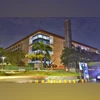
PM Modi inaugurates Kartavya Bhavan, India’s new green HQ for governance under the Central Vista plan. Here’s what it means for ministries and infrastructure. (Photo: PTI)
Listen to This Article
Prime Minister Narendra Modi on Wednesday inaugurated Kartavya Bhavan-03, a key addition to the government’s Central Vista redevelopment project. Positioned as the new hub for India’s top ministries, the building is part of a larger plan to consolidate governance under a modern, green, and efficient infrastructure model.
“Kartavya is both the beginning and the destiny… the companion of dreams and the pinnacle of effort,” PM Modi said at the inauguration ceremony. “Kartavya Bhavan will guide the policies and direction of a developed India.”
Why does it matter?
Kartavya Bhavan is the first of ten planned Common Central Secretariat (CCS) buildings. Together, they will bring nearly all key central ministries under one roof, ending decades of administrative sprawl across more than 50 outdated and scattered office locations in Delhi.
Quick catch up
- Kartavya Bhavan-03 spans 150,000 square metres with seven floors and two basements.
- It will house ministries including Home Affairs, External Affairs, Rural Development, Petroleum & Natural Gas, MSME, DoPT, and the Principal Scientific Adviser.
- The project replaces ageing buildings such as Shastri Bhawan and Nirman Bhawan, some dating back to the 1950s.
What’s wrong with office spaces?
The Central Secretariat Service (CSS) Forum, which represents over 13,000 officers, has written to the Prime Minister’s Office expressing serious concern about the design of Kartavya Bhavan’s interiors, according to a report by India Today.
“CSS Officers are being allotted less space than mandated, impacting confidentiality and efficiency,” the Forum’s General Secretary, Yatendra Chandela, said in a letter to the PMO.
Also Read

 "Kartavya Bhavan")
 "New Parliament Building")
 "cars, auto industry")
 "MSE, Metropolitan Stock Exchange")
 "Mukesh Ambani")
Under Secretaries, who often deal with sensitive matters, have reportedly been assigned open seating areas, making confidential calls and discussions potentially audible to junior staff. The Forum described this arrangement as “demoralising”, noting that in older buildings, even Section Officers had access to shared rooms, while Under and Deputy Secretaries had private cabins. The letter called the new layout a “serious risk to confidentiality.”
What are Kartavya Bhavan's green features?
Despite these concerns, the government is projecting Kartavya Bhavan as a model for smart, sustainable governance infrastructure.
Solar panels on the rooftop will generate over 534,000 units of electricity annually. Rainwater harvesting, zero-discharge waste processing, and energy-efficient HVAC systems aim to reduce consumption and environmental impact.
How smart is Kartavya Bhavan?
Smart ID-based access, CCTV surveillance, digital workspaces, and a centralised command centre form the digital backbone of the facility. The building targets a GRIHA-4 rating and is designed to cut energy use by 30 per cent, with noise-insulated glass and sensor-controlled lighting to support worker comfort.
New secretariat, new vision
Kartavya Bhavan is just the first step. Nine more CCS buildings are on track for completion by 2027, and once operational, the government expects to save ₹1,500 crore a year in rental and maintenance costs.
PM Modi also announced that the iconic North and South Blocks—long the seat of power—will be turned into public museums named Yuge Yugeen Bharat Sangrahalayas.
Bottom line
Kartavya Bhavan is meant to embody India’s 21st-century governance aspirations—centralised, digital, and sustainable. But as the building begins its new chapter, how it balances smart design with institutional dignity and operational confidentiality remains.
More From This Section
 "Himanta Biswa Sarma, Himanta Biswa")
 "Justice Yashwant Varma, Supreme Court, Cash discovery row")
 "Raksha Bandhan 2025 special trains")
 "Landslide, Shimla Landslide")
 "PM Modi")
Topics : Central Vista Project Narendra Modi CCS meeting Indian governance indian government BS Web Reports Decoded Explained
Don't miss the most important news and views of the day. Get them on our Telegram channel
First Published: Aug 07 2025 | 1:07 PM IST