


Passport rules: When can authorities stop Indians from travelling abroad?
The Passports Act, 1967 specifies when overseas travel can be restricted. Here is what authorities can do when discrepancies surface and what remedies citizens have

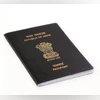
A valid passport does not always guarantee permission to travel abroad. (Representative image from file)
Listen to This Article
Saurav Das, a leader of the upstart Cockroach Janta Party (CJP), said he was stopped at Delhi airport on November 23 when he was on his way to the United Kingdom. According to Das, immigration officials flagged alleged discrepancies in the place-of-birth details in his passport.
The Chennai Regional Passport Office (RPO), which issued his passport in 2019, subsequently sent him a show-cause notice seeking his response to the discrepancies within seven days. He also refrained from using the passport until he submitted his response.
Das said he came to know about the notice only when he reached the immigration counter. The authorities had flagged differences in his birth-related details across documents, including Aadhaar and his passport. The notice initiated proceedings that could lead to the passport being impounded.
The incident raises questions about the government’s power to regulate international travel and the legal safeguards available to passport holders.
Can immigration authorities stop you from travelling despite a valid passport and visa?
A valid passport and visa do not, by themselves, guarantee the right to leave India in every circumstance.
Also Read




Immigration officials can restrict departure if there is a legally valid basis, such as a court order or a Look Out Circular (LOC), as the case may be.
The Ministry of Home Affairs (MHA) governs issues relating to LOCs, which are alerts circulated to immigration authorities at airports and other exit points. Depending on the terms of the LOC, it can restrict a person from travelling abroad.
On what grounds can the government impound or revoke your passport?
Section 10(3) of the Passports Act, 1967, says passport authorities can impound or revoke a passport on specified grounds.
These include wrongful possession of a passport, suppression of material information or submission of incorrect information to obtain it, and situations involving national security or public interest.
“The passport authority must examine the nature of the discrepancy, intention behind it and a distinction has to be made between an innocent mistake and deliberate misrepresentation,” said B Shravanth Shanker, managing partner, B Shanker Advocates LLP.
A discrepancy in the place of birth can legally justify impounding a passport if it was obtained by suppressing material facts or providing incorrect information. However, authorities cannot automatically impound a passport over a minor error; they must follow due process, Shanker added.
Section 10(3)(b) empowers authorities to take action if a passport was obtained by suppressing material information or on the basis of incorrect information.
Separately, Section 12(1)(b) provides for criminal punishment when a person knowingly furnishes false information or suppresses material information to obtain a passport.
Can authorities restrict foreign travel without formally impounding a passport?
There is a difference between a show-cause notice and an order restricting the use of a passport.
A show-cause notice gives the passport holder an opportunity to explain why action should not be taken. It is not, by itself, a final order impounding the passport.
“A show-cause notice is an invitation to answer an allegation, not an executive licence to impose a travel ban,” said Tushar Agarwal, founder & managing partner, CLAP JURIS, Advocates & Solicitors.
“A show-cause notice does not by itself invalidate a passport. Interim suspension is possible under Section 10A, but only where impounding is likely on Section 10(3)(c) grounds: sovereignty, security, foreign relations or public interest,” said Raheel Patel, Partner, Gandhi Law Associates.
This provision does not create a general interim suspension power for every case involving alleged incorrect information under Section 10(3)(b).
Therefore, the legal basis for preventing travel in a particular case must be examined separately, including whether an independent restriction or valid immigration alert was issued.
What legal safeguards protect the right to travel abroad?
The Supreme Court, in Maneka Gandhi v. Union of India (1978), recognised that the right to travel abroad constitutes personal liberty under Article 21 of the Constitution.
It held that any procedure restricting this liberty must be fair, just and reasonable.
“The passport authority must generally give notice, disclose the grounds, allow a reasonable opportunity to reply, and give reasons for any adverse order,” said Alay Razvi, managing partner, Accord Juris.
A notice issued only five hours before a flight may raise concerns about fairness and whether there was a practical opportunity to respond. A court may examine whether the timing was necessary, proportionate and supported by proper material, Razvi added.
Section 10(5) of the Passports Act also requires authorities to record reasons when they pass an order impounding or revoking a passport.
The passport holder can also seek a copy of the reasons, except in specified cases involving national security, friendly relations with foreign countries or public interest.
What can you do if authorities prevent you from leaving India?
An aggrieved person can appeal under Section 11 of the Passports Act before the prescribed appellate authority.
The individual may also approach the High Court with jurisdiction under Article 226 of the Constitution if the action is alleged to be arbitrary or contrary to legal procedure.
“Article 226 is not a remedy available only after the passport authority has pronounced its final decision,” said Tushar Agarwal.
The appropriate legal remedy depends on the nature of the restriction, including whether it arises from a passport order, an LOC or another legal direction.
More From This Section


Don't miss the most important news and views of the day. Get them on our Telegram channel
First Published: Nov 25 2026 | 6:46 PM IST