


PM E-DRIVE subsidy scheme extended for 2 years for certain segments
Govt extends EV subsidy scheme for e-trucks, buses, ambulances and charging infra till March 2028; support for e-2Ws, e-rickshaws and e-3Ws to end by March 2026
 "EV, bus")
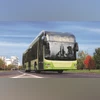
The extension of the EV incentive scheme offers muchneeded relief to slower-moving segments like e-trucks, ebuses, e-ambulances, and public charging infrastructure.
Listen to This Article
The Ministry of Heavy Industries (MHI) has extended the PM edrive scheme, a programme to accelerate electric-vehicle (EV) adoption and its charging infrastructure, for two years for certain segments including etrucks, e-ambulances, ebuses, and charging infrastructure.
These segments will continue to get subsidies under the scheme till March 31, 2028.
However, subsidies for electric two-wheelers, electric rickshaws, electric three-wheelers, and electric carts will be over by March 2026, according to the government notification dated August 7, 2025.
The notification stated: “This is a fund limited scheme. Total payout under the scheme shall be limited to the scheme outlay of ₹10,900 crore ... The terminal date for registered e-2W, registered e-rickshaws & e-cart and registered e-3W (L5) shall be March 31, 2026.”
The government’s recent extension of the EV incentive scheme offers much-needed relief to slower-moving segments like etrucks, ebuses, e-ambulances, and public charging infrastructure, said Saket Mehra, partner (auto & EV leader), Grant Thornton Bharat. ALSO READ: Govt halts US arms deals after Trump slams 50% tariffs on India, MoD denies
Also Read

 "Tesla, Tesla Inc")
 "rare earth magnets")
 "electric truck, e-truck")
 "MediaTek Dimensity 9400 chip")
 "Tesla, Tesla India, Model Y")
He said public charging stations required considerable time for project implementation, especially after receiving proposals from state governments and various ministries. He also pointed out that limited manufacturing capacity and slow progress under the phased manufacturing programme (PMP) — which mandates specific levels of localisation in a vehicle — had held back the rollout of electric trucks.
Ebuses face a separate bottleneck.
Mehra said under the scheme, deploying ebuses depended on a payment security mechanism (PSM), which is being formulated. Because of this, the extension till March is necessary to accommodate the mechanism’s implementation and the subsequent rollout of buses. On e-ambulances, he noted India did not have hybrid or electric models in the market, so more time was needed for their development and procurement.
The scheme, launched in October last year with an outlay of ₹10,900 crore, aims to give subsidies to 2.48 million electric two-wheelers, 315,000 three-wheelers, 5,643 trucks, 14,028 buses, and 88,500 charging stations.
Saurabh Agarwal, partner and automotive tax leader, EY India, said: “The adoption in the case of etrucks and e-ambulances was very limited. The government wanted to give clarity to this segment that subsidies will continue for them in the long run. This segment was of the belief that the localisation levels and adoption in this segment will happen over a period of time. Therefore, the industry was a bit sceptical of making investment in this segment due to no clear timeline. This is the reason why the timeline for the segment has been increased.”
The scheme offers demand incentives of around ₹3,679 crore to promote the purchase of electric two-wheelers (₹1,772 crore), three-wheelers (₹907 crore), ambulances (₹500 crore), and trucks (₹500 crore).
In addition to this, ₹7,171 crore was allocated for electric buses (₹4,391 crore), charging infrastructure (₹2,000 crore), and testing facilities (₹780 crore).
More From This Section
 "electric vehicle, EV")
 "Electric Vehicles")
 "Exports, Export")
 "cars, auto industry")
 "auto component industry, automobiles, car component, vehicles, auto manufacturers")
Topics : EV market Electric Vehicles Auto sector
Don't miss the most important news and views of the day. Get them on our Telegram channel
First Published: Aug 08 2025 | 7:08 PM IST